
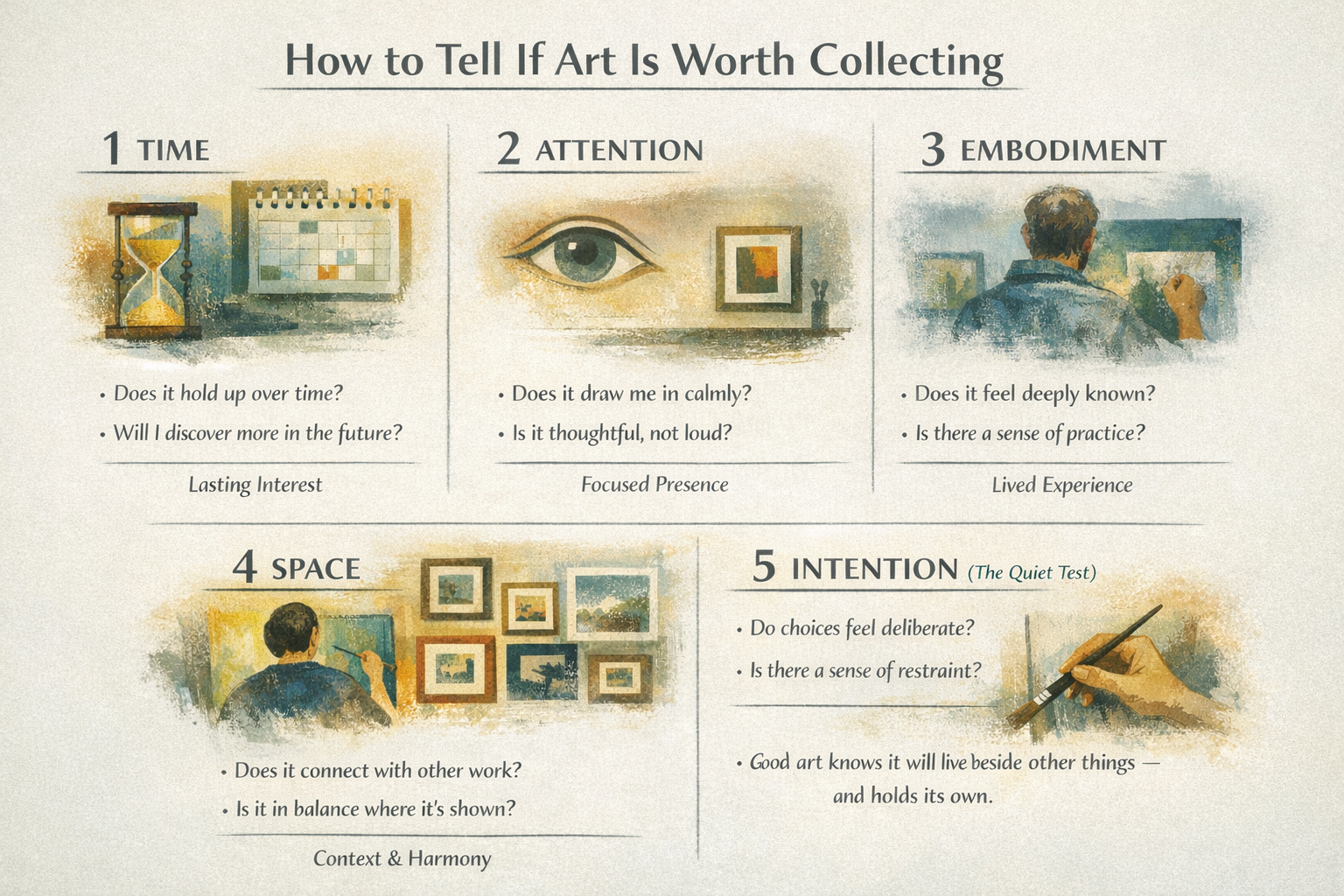
A Practical Guide for Collectors
Collectors are often told to trust their instincts, but confidence grows through clarity. This guide offers a set of quiet questions to help collectors understand why certain works resonate, how they hold attention over time, and what makes art worth living with—online or in person.
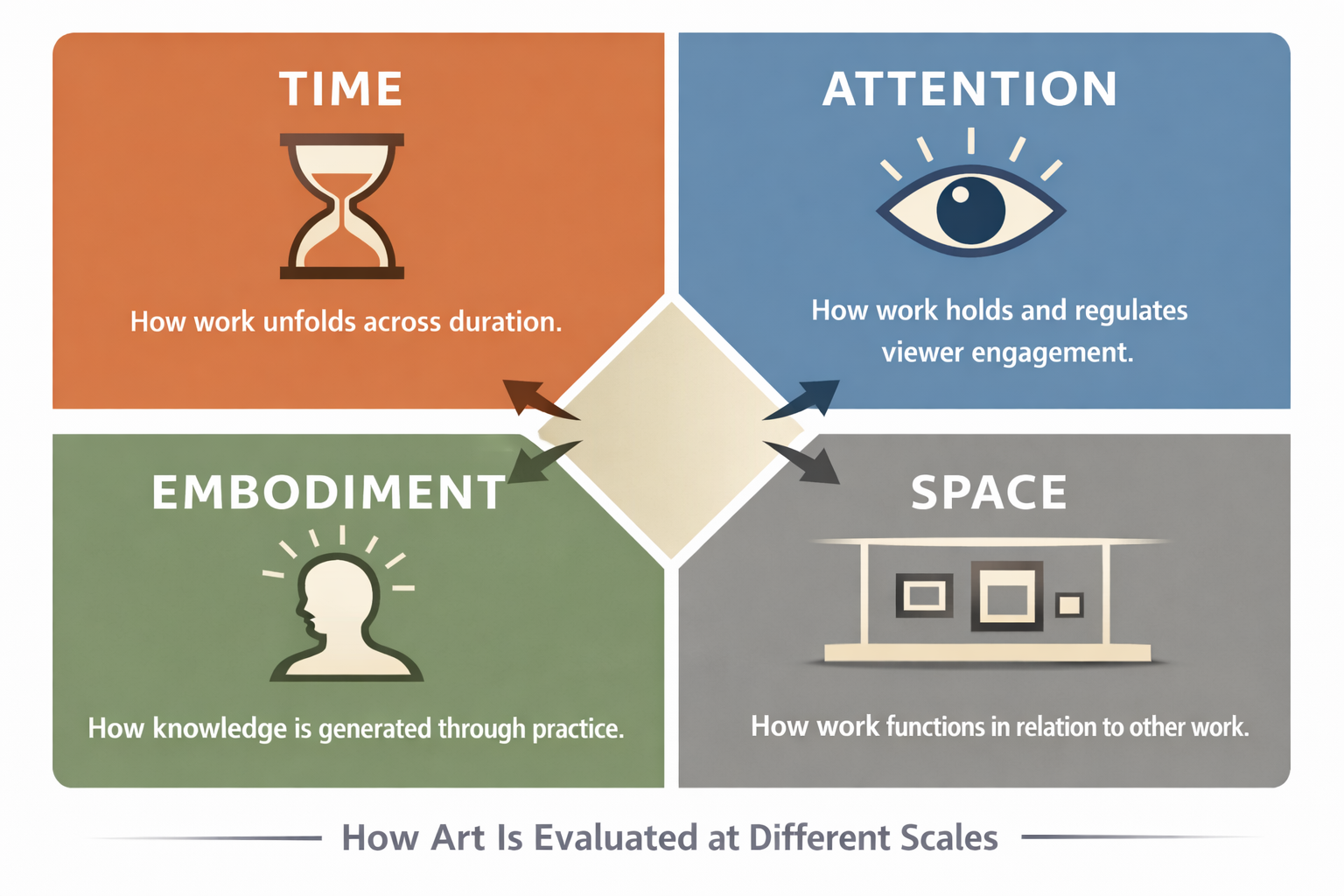
The Institutional Read: How Contemporary Art Practices Are Evaluated
Most artists learn how images are constructed through the elements of art and principles of design. Those frameworks explain composition, balance, and color—but they do not describe how entire practices are evaluated within museums and other institutional settings.
Curators and collecting institutions rely on a different set of criteria when assessing contemporary art. These criteria are rarely formalized, yet they consistently shape what is exhibited, collected, and sustained over time.
This post outlines that logic. It introduces the four overlapping lenses—time, attention, embodiment, and space—commonly used to read artistic practices within institutional contexts, and traces how those lenses operate across curatorial writing, museum studies, and contemporary art discourse.

Pricing With Continuity: 2026 Art Pricing Guide for Collectors
As we move into 2026, my pricing is staying steady. This reflection explains why continuity matters in my practice, how my pricing system already reflects the pace of my work, and what collectors can expect moving forward — without urgency or surprise.
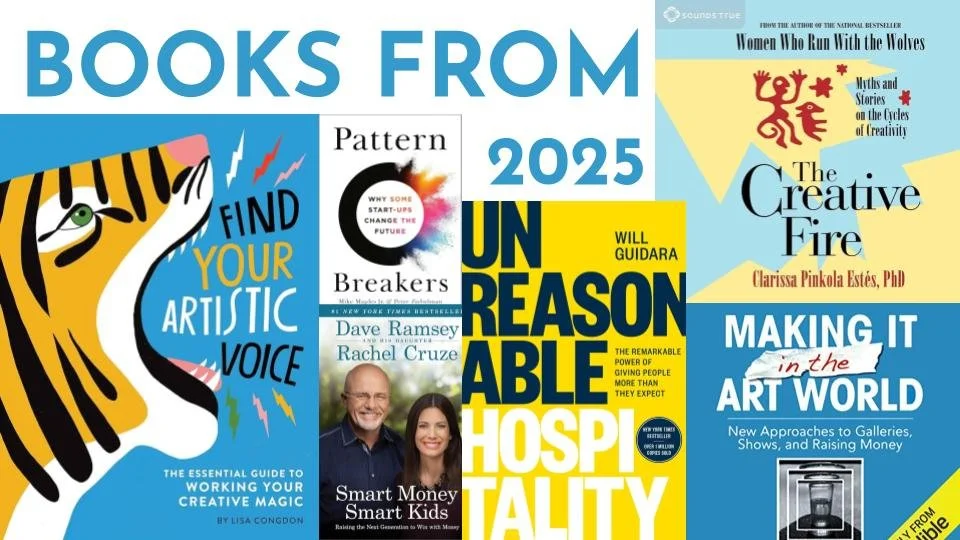
20 Books I Read This Year — and What It Changed About How I Work as an Artist
I read 20 books this year — mostly as audiobooks during walks and commutes — and kept studio time reserved for music and quiet. This post reflects on how reading shaped my thinking about creativity, structure, sustainability, and what collectors and curators often recognize as seriousness in an artist’s work.
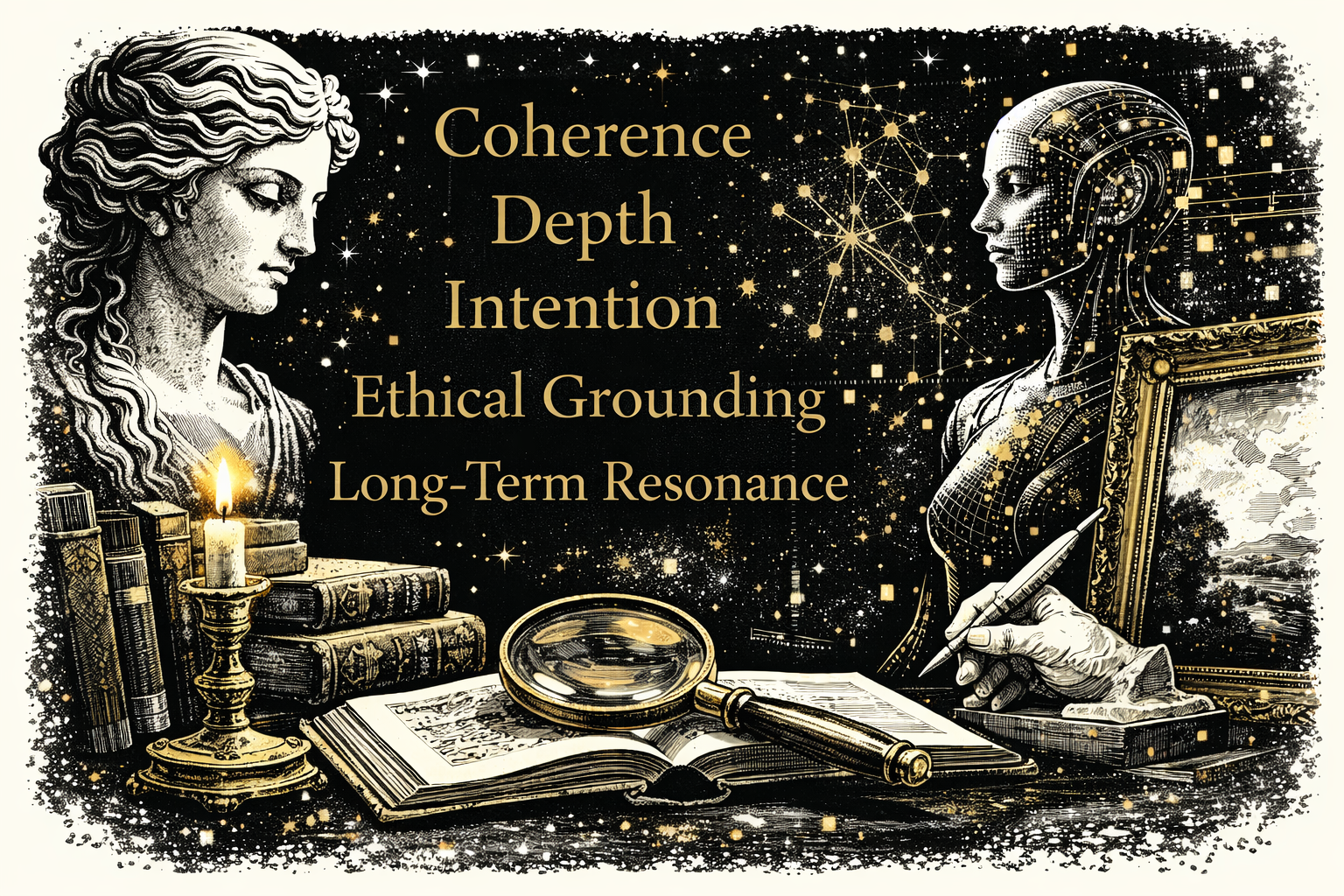
Why Conversations About AI Art Can Feel Exhausting for Collectors — And How to Engage with Clarity
Conversations about AI art often feel louder than illuminating. For collectors, the constant intensity can obscure what matters most: context, intention, and long-term resonance. This essay explores why AI art debates break down — and how collectors can stay grounded amid the noise.
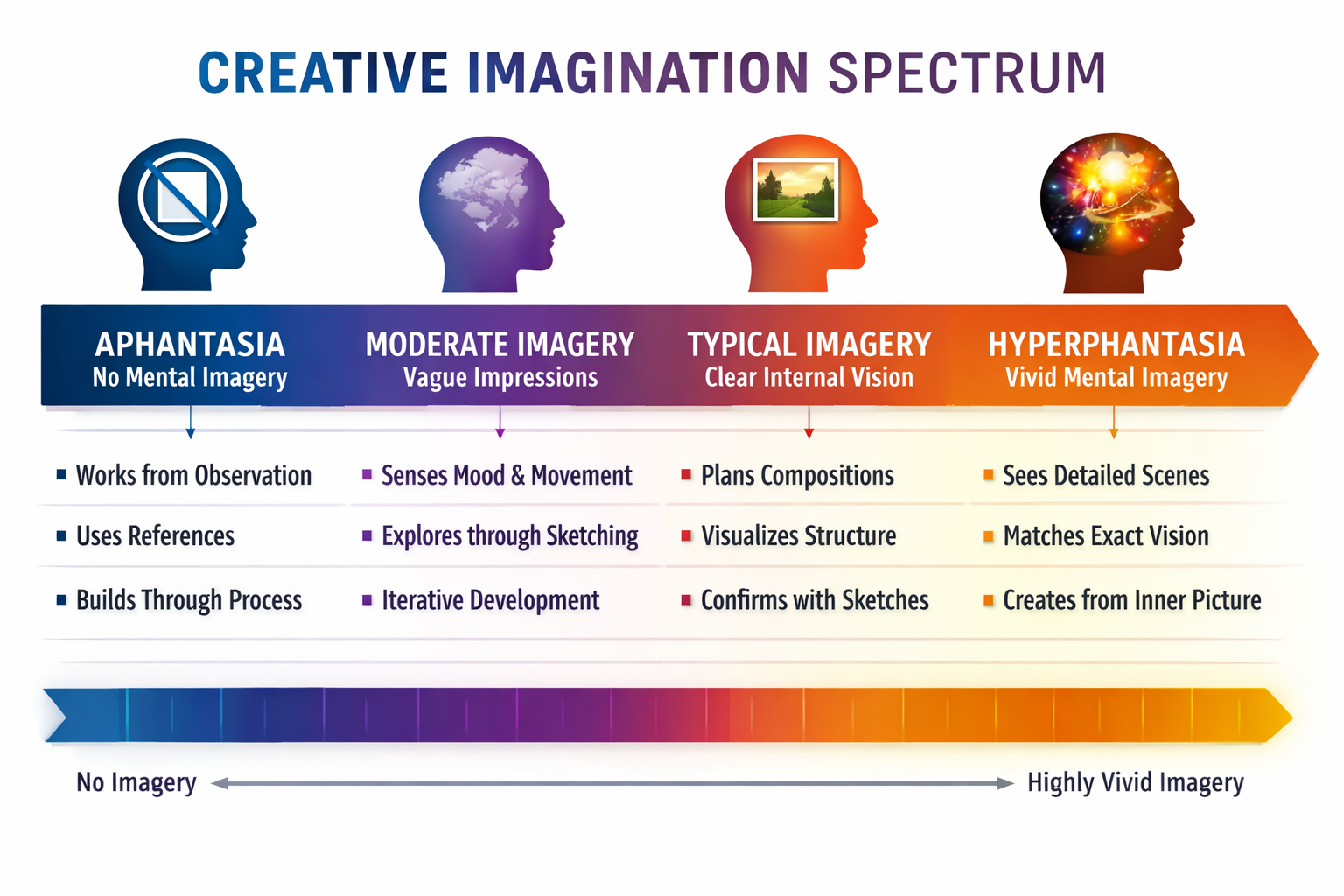
How Artists Imagine: Why Creative Process Doesn’t Look the Same for Everyone
Not all artists “see” their work before making it — and that’s not a flaw, it’s a feature of creative diversity. This article explores how imagination varies across a spectrum, from aphantasia to hyperphantasia, and how tools — including AI — support different artistic processes. For collectors, understanding these variations sharpens discernment and deepens appreciation of creative intent.

How Collectors Can Evaluate AI-Assisted Art
Collectors are hearing more conversations about AI-assisted art, often without clear guidance on how to evaluate it. This article offers a transparent, collector-focused framework for assessing authorship, ethics, sustainability, and long-term value in contemporary artistic practice.

AI Art and Ethical Collecting: How Collectors Can Think Clearly About AI
AI hasn’t changed the foundations of ethical art collecting — it’s clarified them. This guide helps collectors cut through the noise and evaluate AI-assisted art using the same values galleries rely on: authorship, intention, transparency, and long-term meaning.

What Kind of Art Matters in an AI World? A Guide for Artists Thinking Long-Term
AI has changed how images are made, but not how meaningful art is recognized. This guide explores what kind of work continues to matter to collectors and galleries when speed, volume, and novelty are no longer enough.

Where Alberta Collectors Can Find Curated, Artist-Respecting Galleries
Not all galleries operate the same way. In Alberta, some galleries select and support artists through professional curatorial processes, while others function as pay-to-view spaces. This collector-friendly guide highlights Alberta galleries that follow ethical, artist-respecting standards — and gently explains how understanding these differences helps collectors make confident, informed choices.