How Collectors Can Evaluate AI-Assisted Art
Article written by Vanessa Corrigall + ChatGPT 5.2
A Transparent Framework for Thoughtful Collecting
Conversations about artificial intelligence in art have become louder and more polarized in recent years. For collectors, that volume can make it harder to hear what actually matters.
Thoughtful collecting has always relied on a small set of core instincts: attention to authorship, ethics, sustainability, and depth. Those instincts remain reliable. What has changed is the visibility of process and intention.
This post outlines five questions collectors can use to evaluate AI-assisted art, followed by how my own artistic practice aligns with them. These questions reflect the same considerations ethical galleries use when assessing contemporary work, translated into collector language.
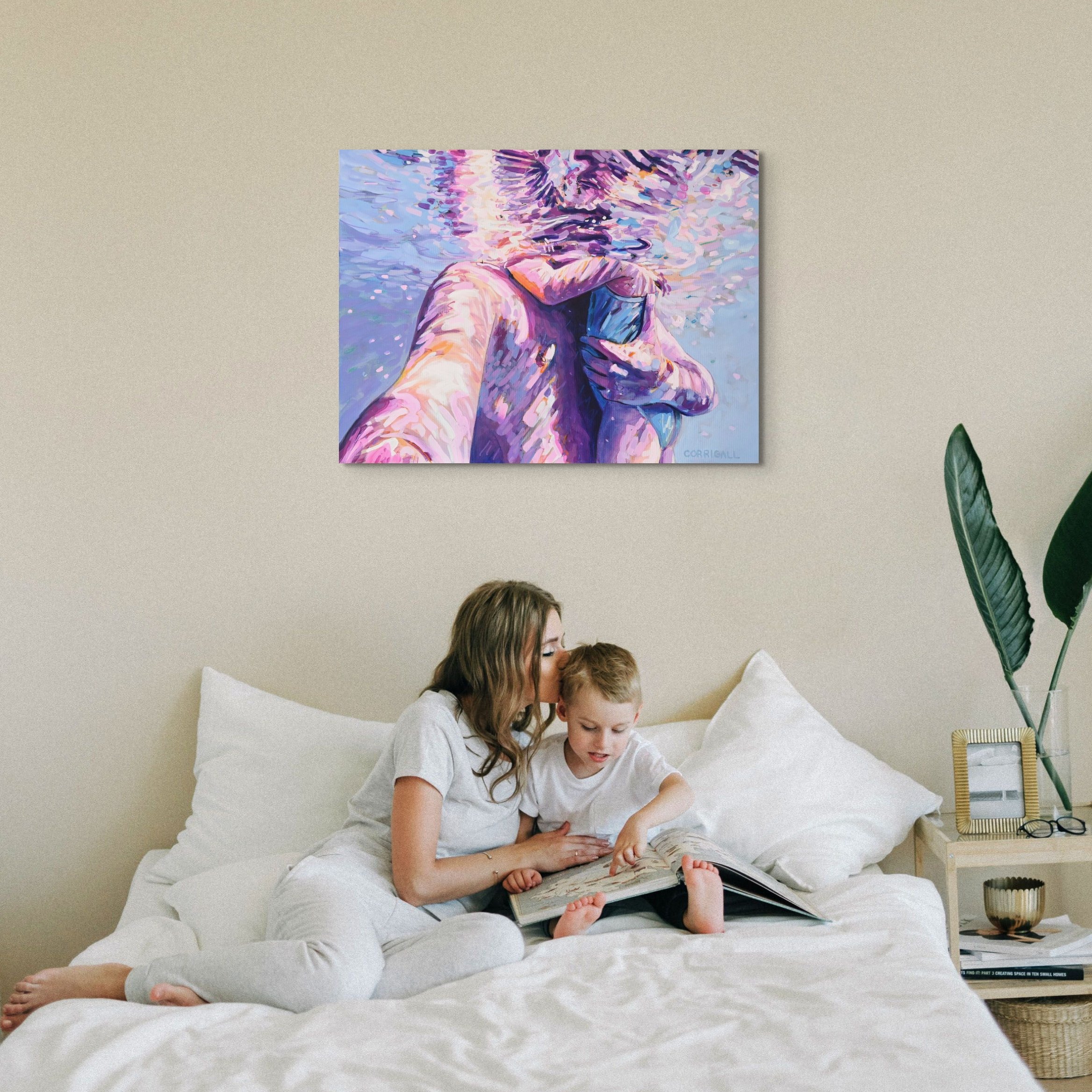
Painting created from a reference image that I paid licensing fees for.
1. Who Made This — and Why?
Every artwork reflects a series of decisions. Choices are made about subject, form, method, refinement, and context. Tools may assist along the way, but authorship shows itself through coherence and continuity.
Collectors can look for:
clear explanation of artistic choices
connection to a broader body of work
consistency of inquiry over time
How My Practice Aligns
My work is grounded in an ongoing exploration of water as a psychological and perceptual space. Themes of stillness, suspension, memory, and interior experience recur across years of paintings.
When digital tools are part of my process, they function alongside traditional studio methods such as drawing studies, projectors, and material experimentation. The conceptual direction and final decisions remain anchored in my established practice.
Strong authorship allows the work to stand clearly on its own.
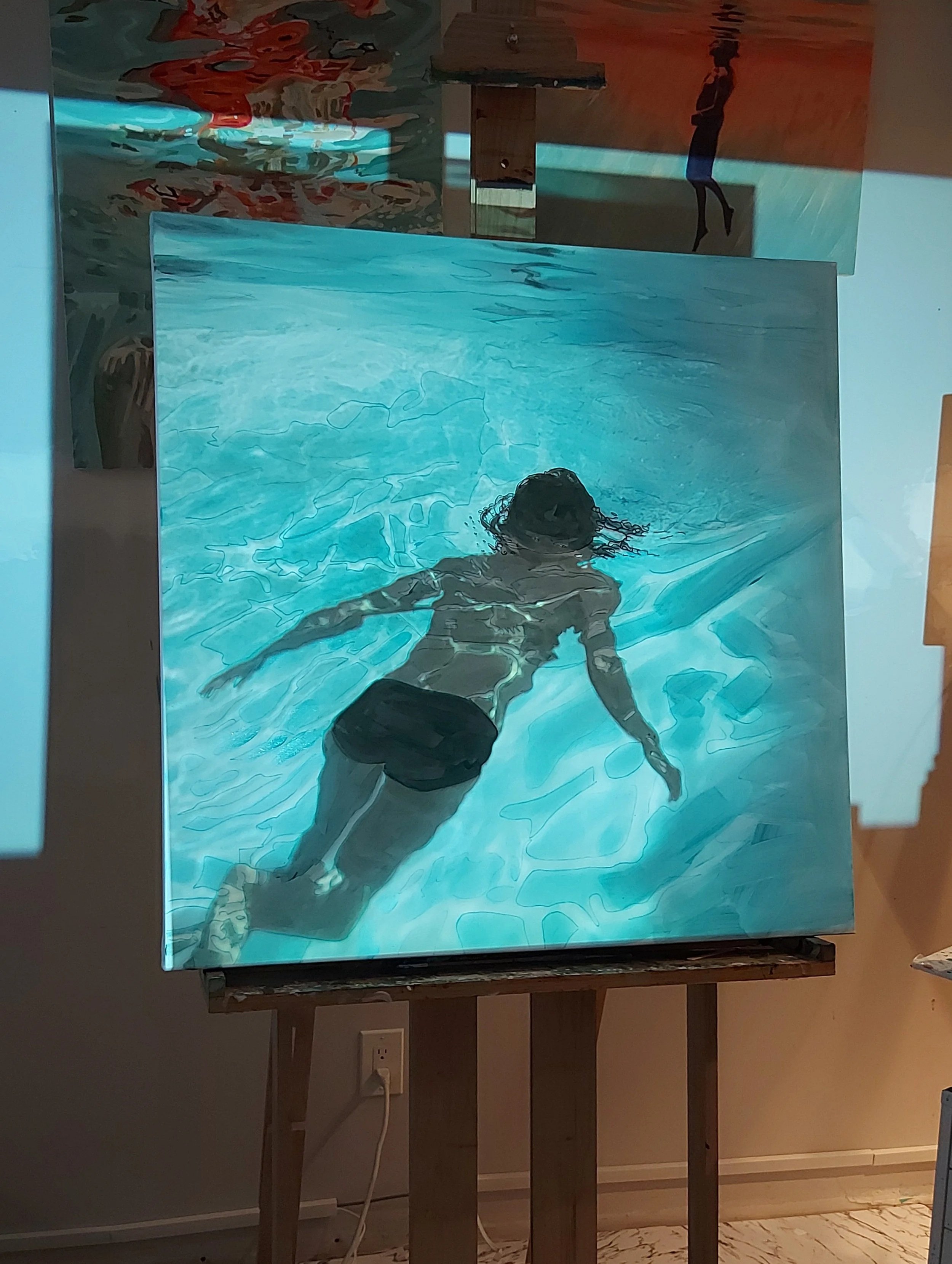
Using a projector to transfer the image.
2. Was This Made Ethically?
Ethical practice is built on transparency, respect, and care. For collectors, this often shows up through openness rather than technical detail.
Collectors may consider:
whether process is explained honestly
how influences are acknowledged
whether the artist demonstrates awareness of consent, sourcing, and attribution
How My Practice Aligns
I aim to be clear and open about my methods without obscuring them behind jargon or mystique. My work does not rely on replicating other artists’ styles, nor does it claim exclusivity over shared visual language.
Ethical considerations extend beyond production. They also shape how work is priced, documented, represented, and shared with collectors and galleries. Consistency across these areas builds trust.
3. Does This Support a Sustainable Practice?
Sustainable artistic practices tend to show continuity rather than abrupt shifts. Over time, collectors can see how an artist’s work develops, deepens, and matures.
Collectors can look for:
long-term commitment to a core inquiry
evidence of growth within a recognizable practice
alignment with professional gallery standards
How My Practice Aligns
My work evolves through repetition and refinement rather than rapid stylistic changes. I return to familiar subject matter to explore it more deeply, allowing subtle shifts in color, composition, and emotional tone to emerge over time.
This approach supports a body of work that can be collected with confidence, knowing it sits within a larger, coherent practice.
4. Who Controls the Tools?
All artistic tools operate within broader systems — cultural, technological, and economic. Awareness of those systems shapes how tools are used.
Collectors may notice:
whether tools are chosen intentionally
how the artist speaks about platforms and processes
the degree of reflection present in the work
How My Practice Aligns
I approach tools — digital and physical — with consideration rather than default use. Cameras, software, projectors, and traditional materials each play a defined role within my workflow.
I remain attentive to the larger contexts surrounding technology, including environmental impact, platform control, and authorship concerns. Decisions are made deliberately, with attention to long-term implications rather than immediacy.
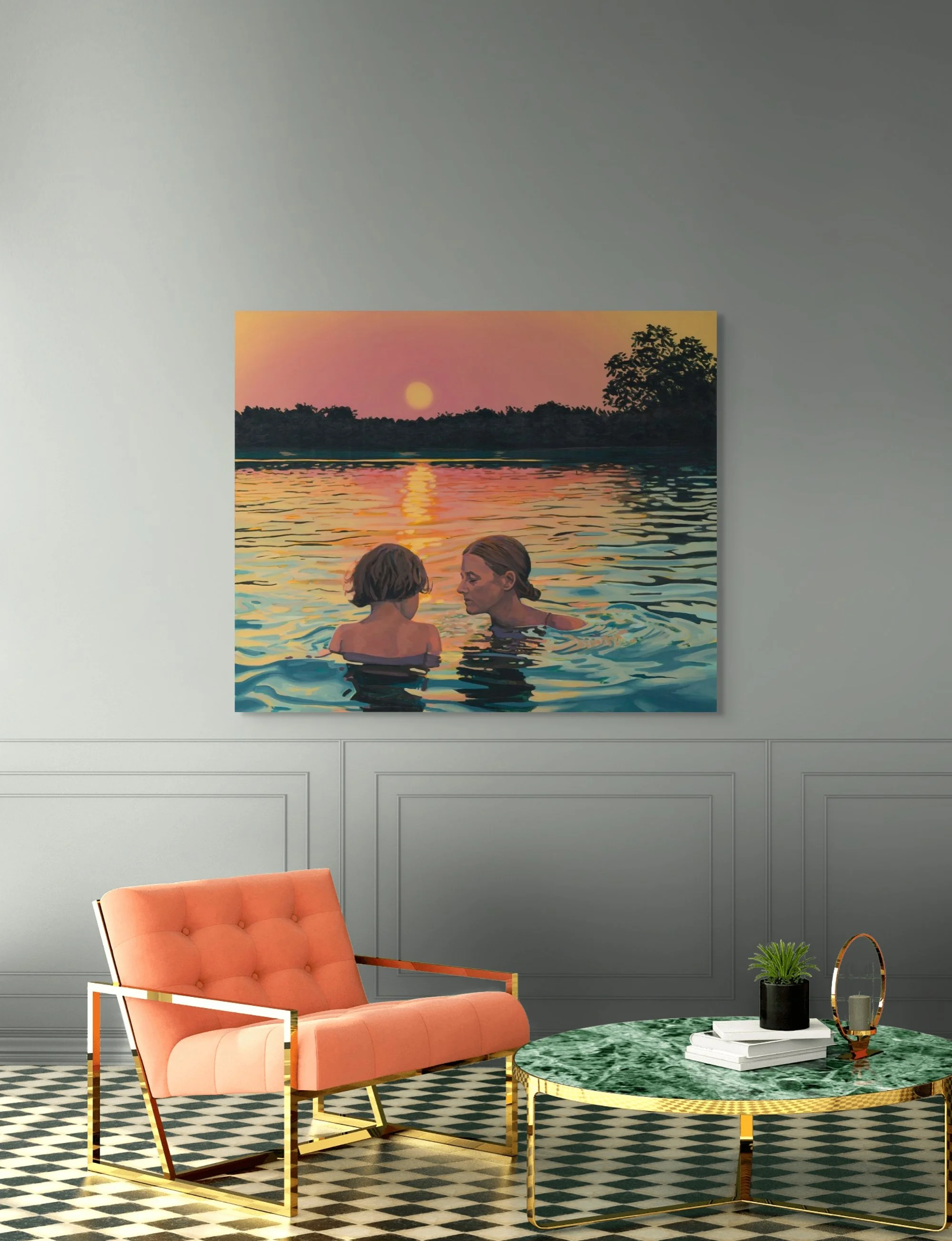
Image created from Midjourney Reference
5. Will This Still Matter in Five Years?
Art that holds attention over time tends to offer layers that continue to reveal themselves. Living with a piece allows its emotional and perceptual qualities to unfold gradually.
Collectors might reflect on:
whether the work rewards sustained viewing
how it functions in lived space
the presence of depth beneath the surface
How My Practice Aligns
My paintings are designed for slow engagement. They invite quiet observation rather than quick consumption. The subject matter draws on shared human experiences — perception, memory, and interior states — that remain relevant across changing contexts.
This allows the work to age naturally alongside the collector.
A Note on Collecting in a Changing Landscape
Collecting has always involved discernment. Supporting artists who demonstrate clarity, care, and intention contributes to a healthier art ecosystem.
Transparency strengthens trust.
Trust strengthens collecting.
That is the foundation I aim to build my practice on.