20 Books I Read This Year — and What It Changed About How I Work as an Artist
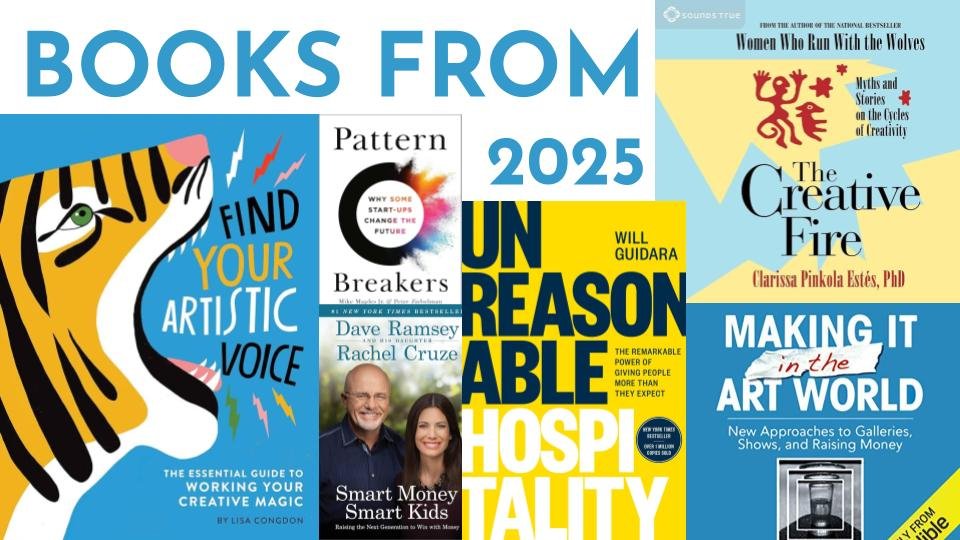
Each year, I keep track of what I read to notice what questions keep coming back.
This year, almost everything I read came through audiobooks. I listened while walking my dog or driving to work. I don’t listen to books while I’m in the studio — that time is reserved for music and quiet. Reading and making art occupy different mental spaces for me, and I keep that boundary intentionally.
That separation shaped how these books influenced my work.
Three Books That Changed How I Think About Creativity
Several of the books I read this year pushed back against urgency and performance.
The Creative Act: A Way of Being framed creativity as something lived rather than produced. It reinforced the idea that attention and presence matter more than output.
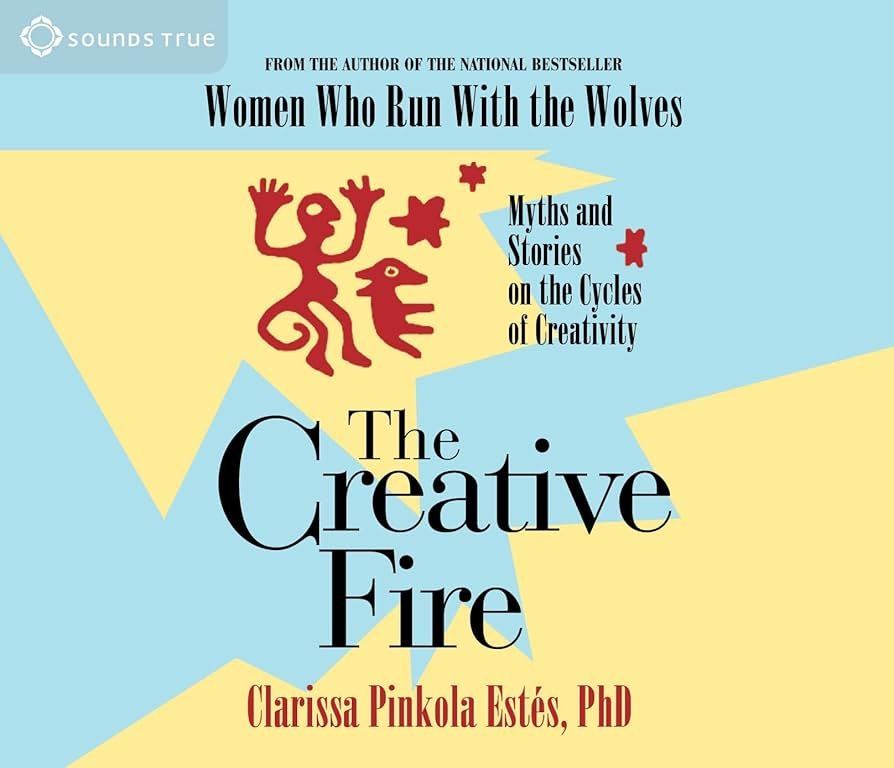
The Creative Fire explored creativity through stories and cycles — reminding me that periods of intensity, rest, doubt, and renewal are not problems to solve, but patterns to recognize.
The War of Art gave language to resistance as something predictable — not a sign of failure, but a signal that the work matters.
Listening to these books while walking — rather than while making — reinforced their message. Creativity didn’t need to be acted on immediately. It needed time to settle.
For collectors and curators, this often shows up in the work itself: art made within protected rhythms tends to feel more grounded than work made under constant pressure to respond.
One Books That Clarified How Artistic Voice Develops
A recurring theme across my reading was how artistic voice actually forms.
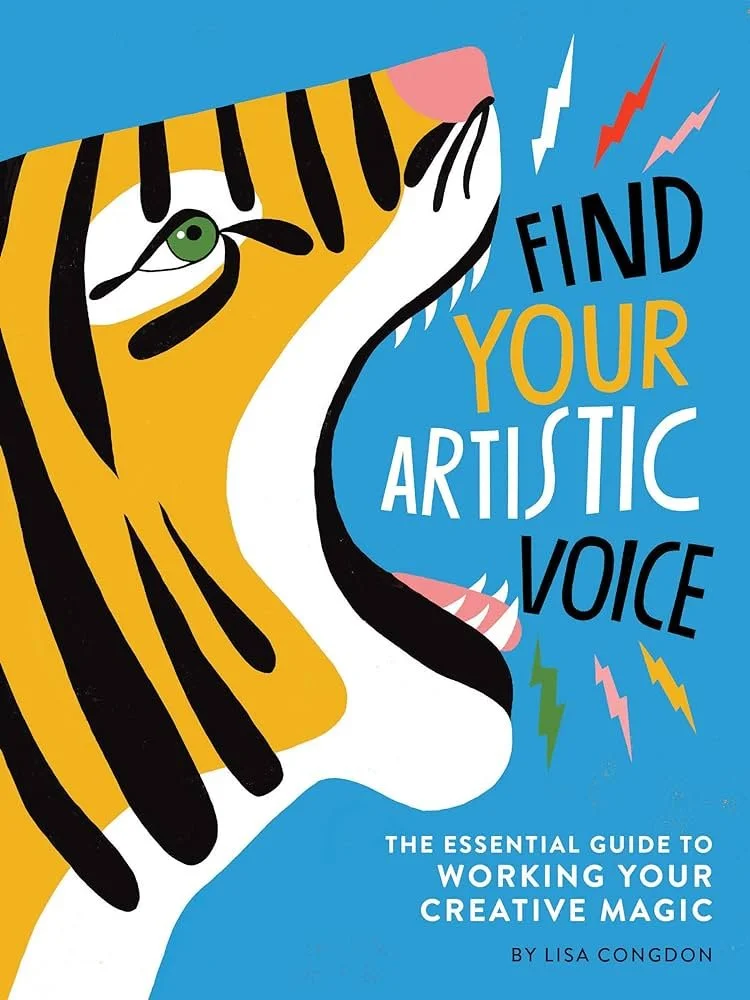
Find Your Artistic Voice made a simple argument that stuck with me: voice is built through repetition. It comes from returning to similar questions, materials, and concerns over time.
That idea connects closely to how collectors and curators recognize seriousness. Voice is rarely something an artist announces. It’s something that becomes visible across a body of work — through consistency, variation, and restraint.
Reading this alongside the creativity books sharpened how I think about long arcs rather than individual pieces.
Five Books That Helped Me Build a Repeatable System
Many of the art-career books I read this year were practical, but I wasn’t looking for a formula to copy.
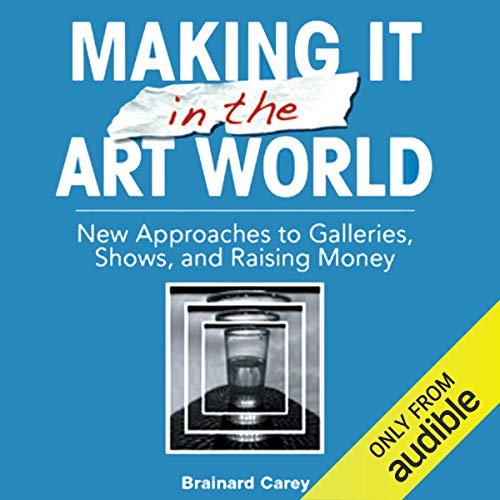
Making It in the Art World: New Approaches to Galleries, Shows, and Raising Money, Artpreneur: The Step-by-Step Guide to Making a Sustainable Living From Your Creativity, and Art, Inc.: The Essential Guide for Building Your Career as an Artist all offered different frameworks for navigating exhibitions, pricing, visibility, and sustainability.
I also read The Natural Path to Selling Art: How to Build a Thriving Art Career Without a Website, Galleries, Algorithms, or Confusing Technology and The Artist Freedom Formula: Quit Your Job & Live a Life of Creative Freedom Selling Your Artwork Online, which emphasized simplifying systems and reducing dependence on constant online presence.
While reading these, I wasn’t trying to adopt someone else’s model wholesale. I was trying to build something repeatable — a system that actually worked for me.
There are many people selling answers in the art world. What became clear is that sustainability comes from discernment: taking what makes sense, leaving what doesn’t, and shaping a structure that supports long-term work.
That process influenced how I price my work, how I exhibit, and how I communicate with collectors. Less persuasion. More clarity.
Six Books That Reinforced the Value of Structure
Several business and leadership books reinforced something I already suspected: structure protects creativity.
Creativity, Inc. (The Expanded Edition): Overcoming the Unseen Forces That Stand in the Way of True Inspiration showed how clear systems can support experimentation rather than suppress it.
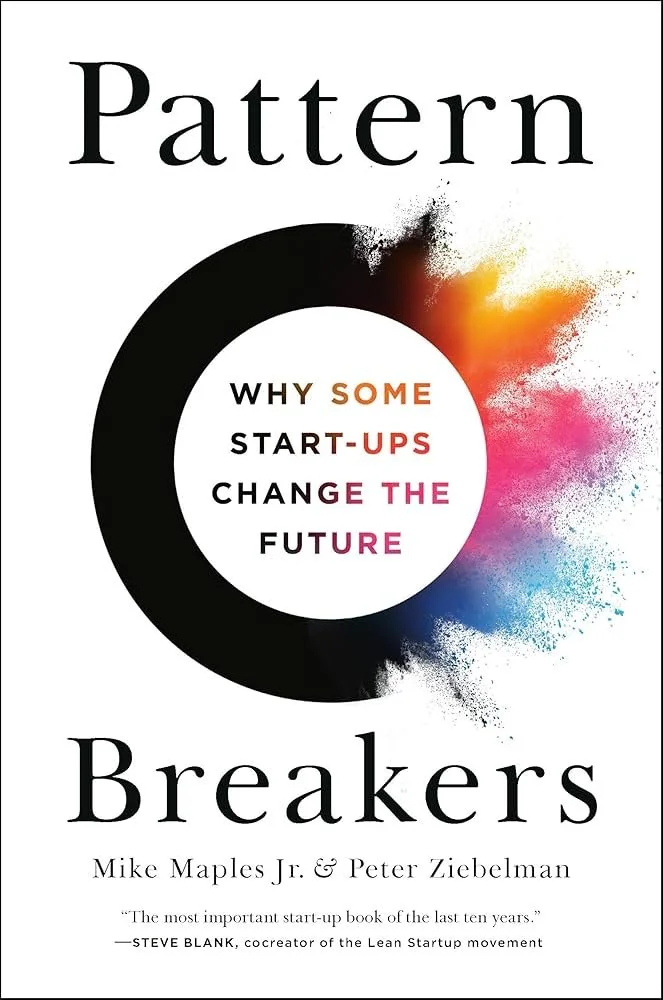
That idea carried through Build a Business You Love: Mastering the Five Stages of Business, EntreLeadership: 20 Years of Practical Business Wisdom from the Trenches, and Pattern Breakers: Why Some Start-Ups Change the Future, all of which emphasized patience, sequencing, and long-term thinking.
I also read High Performance Habits: How Extraordinary People Become That Way and The Magic of Thinking Big, which reinforced how habits and expectations shape what’s possible over time.
For me, structure reduces noise so attention can be directed where it matters most — in the studio and in relationships around the work.
Four Books About Attention, Care, and Experience
Some of the most influential books I read this year weren’t directly about art.
Nonviolent Communication reshaped how I think about listening and interpretation — skills that matter deeply in classrooms, studios, and curatorial conversations.
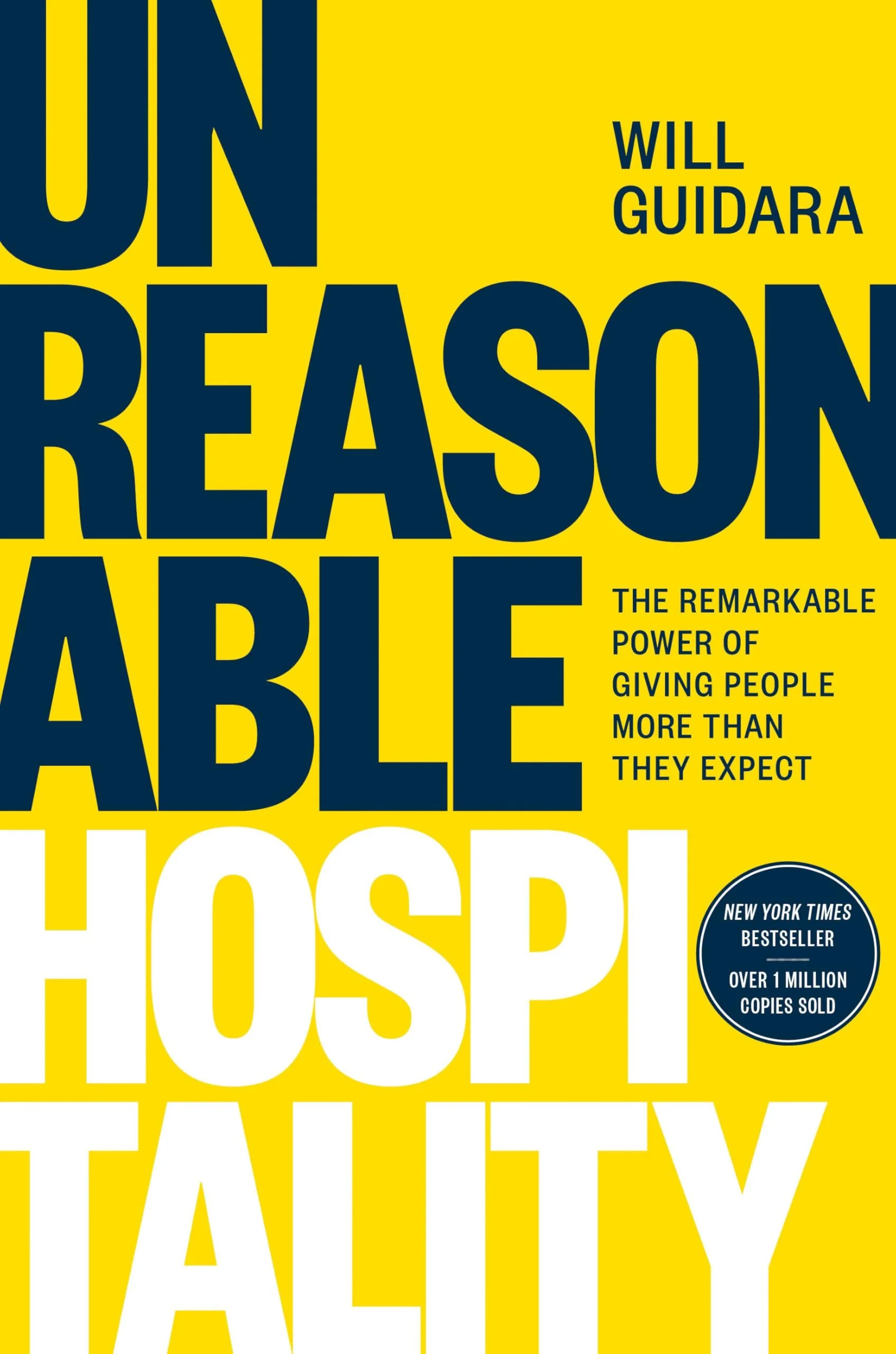
Unreasonable Hospitality reframed generosity as attentiveness rather than excess. Care, when applied deliberately, becomes part of authorship.
Your Brain on Art grounded these ideas in neuroscience, showing how art shapes emotion, memory, and regulation.
And The Secret Lives of Colour reminded me that visual language carries cultural memory long before it carries style.
Together, these books reinforced why pacing, context, and care matter just as much as content.
One Book I Didn’t Read Alone
One book stood apart.
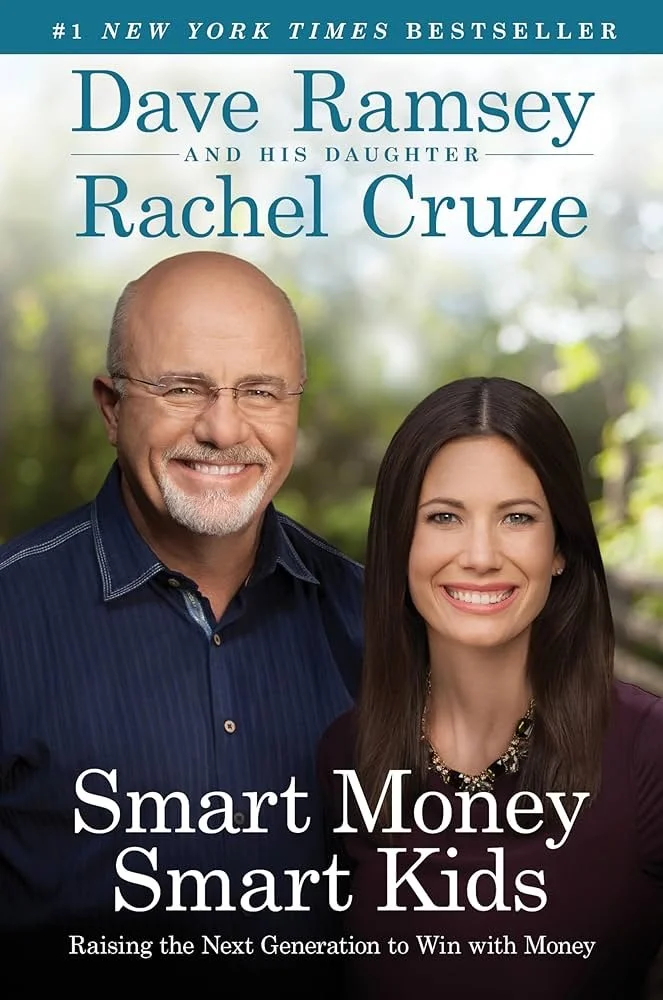
Smart Money Smart Kids was the only book I listened to with my husband, during our commute. That shared experience placed questions of responsibility, values, and long-term thinking firmly inside family life — not separate from creative practice, but deeply connected to it.
For me, professional clarity and personal values aren’t separate systems. They inform one another.
What This Year of Reading Clarified
By the end of the year, a few practical ideas kept repeating:
Work gains depth when artists return to the same questions over time
Focus improves when reading and studio time are clearly separated
Sustainable systems allow work to develop without constant pressure
Continuity across a body of work often communicates seriousness more clearly than speed or novelty
Collectors and curators tend to recognize these qualities intuitively — not as statements, but as patterns that emerge over time.
Closing Thought
I read while walking. While driving. While stepping briefly outside the roles I hold every day.
Those spaces — away from production — turned out to be where clarity formed.
This year’s reading didn’t change what I make so much as how I think about making — and how I hope the work is encountered: steadily, thoughtfully, and within a longer conversation.
How to Look at a Body of Work Over Time
For collectors and curators who value depth over noise.
I wrote a short guide on how repetition, pacing, and continuity reveal seriousness in an artist’s practice — the kind of things you can only see when you step back and look across time.
Enter your email and I’ll send it to you.
FAQ: Reading, Art, and Creative Practice
How does reading influence your art practice?
Reading shapes how I think, not what I make directly. I keep reading separate from studio time so ideas can settle before they show up in the work.
Do artists need to read business books?
Not all of them. But understanding systems and structure helps protect creative energy and supports long-term practice.
Why don’t you listen to audiobooks while making art?
Studio time requires focus on observation and sensation. Listening happens during walks or commutes, where ideas can be absorbed without pressure to act.
How do collectors recognize seriousness in an artist’s work?
Often through continuity, restraint, and coherence across a body of work rather than speed, novelty, or constant output.
Appendix: Reading & Listening List from 2025
The following books informed the reflections in this blog. Most were experienced as audiobooks via Amazon and Audible during walks or daily commutes. Studio time is reserved for music rather than listening. Titles are listed alphabetically by book title.
Audiobooks
Art, Inc.: The Essential Guide for Building Your Career as an Artist
Lisa Congdon; edited by Meg Mateo Ilasco; foreword by Jonathan Field
Narrated by: Lisa Congdon
Artpreneur: The Step-by-Step Guide to Making a Sustainable Living From Your Creativity
Miriam Schulman
Narrated by: Miriam Schulman
Build a Business You Love: Mastering the Five Stages of Business
Dave Ramsey
Narrated by: Dave Ramsey
Building a StoryBrand: Clarify Your Message So Customers Will Listen
Donald Miller
Narrated by: Donald Miller
Creativity, Inc. (The Expanded Edition): Overcoming the Unseen Forces That Stand in the Way of True Inspiration
Ed Catmull, Amy Wallace
Narrated by: Ed Catmull
The Creative Act: A Way of Being
Rick Rubin
Narrated by: Rick Rubin
The Creative Fire: Myths and Stories on the Cycles of Creativity
Clarissa Pinkola Estés
Narrated by: Clarissa Pinkola Estés
EntreLeadership: 20 Years of Practical Business Wisdom from the Trenches
Dave Ramsey
Narrated by: Dave Ramsey
Find Your Artistic Voice: The Essential Guide to Working Your Creative Magic
Lisa Congdon
Narrated by: Lisa Congdon
High Performance Habits: How Extraordinary People Become That Way
Brendon Burchard
Narrated by: Brendon Burchard
The Magic of Thinking Big
David J. Schwartz
Narrated by: Jason Culp
Making It in the Art World: New Approaches to Galleries, Shows, and Raising Money
Brainard Carey
Narrated by: Peter Drew
Marketing Made Simple: A Step-by-Step StoryBrand Guide for Any Business
Donald Miller, J.J. Peterson
Narrated by: Donald Miller, J.J. Peterson
Nonviolent Communication: Create Your Life, Your Relationships, and Your World in Harmony with Your Values
Marshall B. Rosenberg, PhD
Narrated by: Marshall B. Rosenberg, PhD
Pattern Breakers: Why Some Start-Ups Change the Future
Mike Maples Jr., Peter Ziebelman
Narrated by: Mike Maples Jr., Peter Ziebelman
Social Media Success for Every Brand: The Five StoryBrand Pillars That Turn Posts Into Profits
Claire Diaz-Ortiz; introduction by Donald Miller
Narrated by: Jacque Dorman, Donald Miller
Unreasonable Hospitality: The Remarkable Power of Giving People More than They Expect
Will Guidara
Narrated by: Will Guidara
The War of Art
Steven Pressfield
Narrated by: Steven Pressfield
Your Brain on Art: How the Arts Transform Us
Susan Magsamen, Ivy Ross
Narrated by: Ellyn Jameson
Physical Books
The Artist Freedom Formula: Quit Your Job & Live a Life of Creative Freedom Selling Your Artwork Online
Lloyd Coenen
The Natural Path to Selling Art: How to Build a Thriving Art Career Without a Website, Galleries, Algorithms, or Confusing Technology
Lloyd Coenen
Smart Money Smart Kids: Raising the Next Generation to Win with Money
Dave Ramsey, Rachel Cruze
This title was listened to jointly during daily commutes.