What Kind of Art Matters in an AI World? A Guide for Artists Thinking Long-Term
Article written by Vanessa Corrigall with ChatGPT 5.2
Introduction: The Question Artists Are Asking — and the One That Matters More
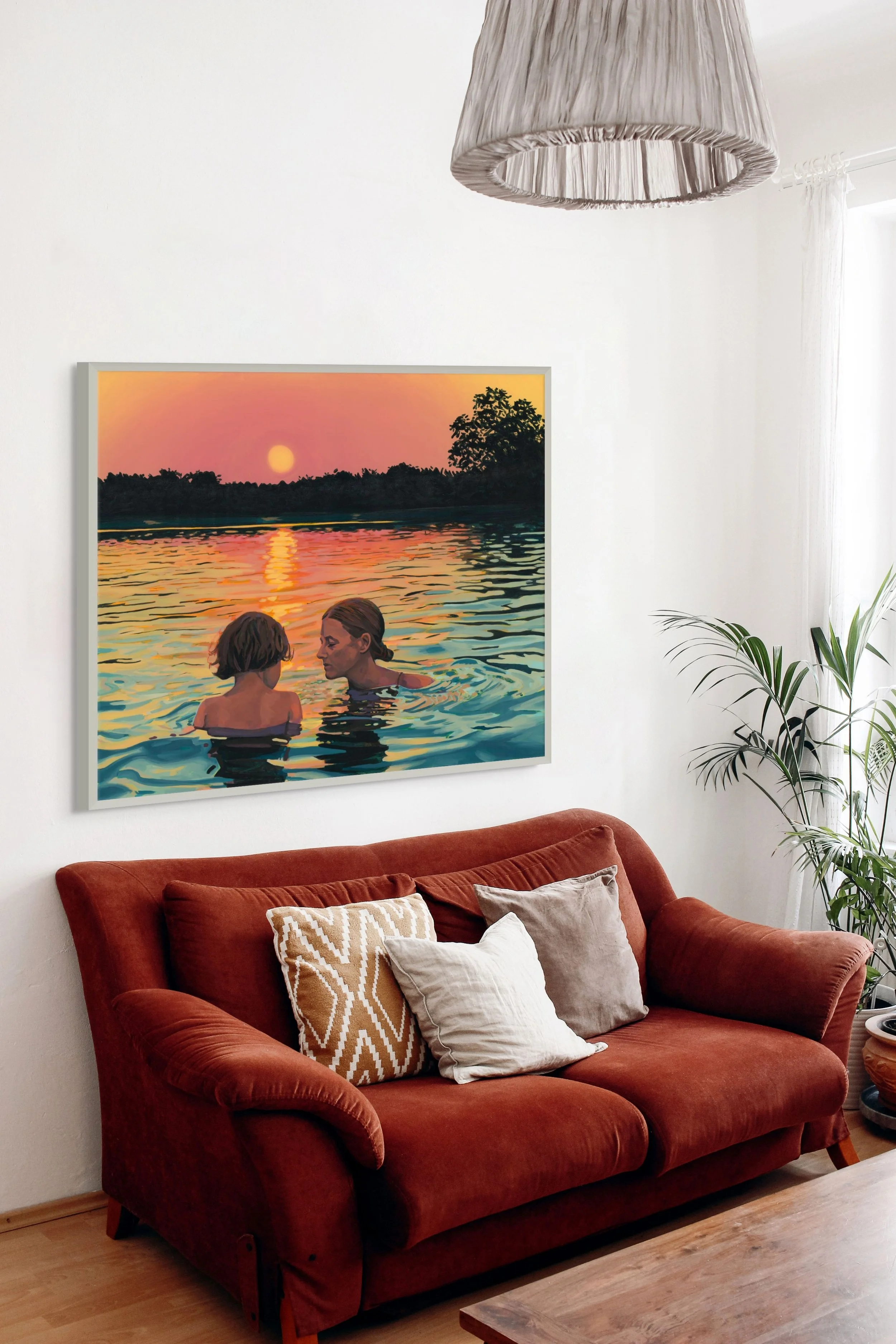
Painting made using Midjourney - Vanessa Corrigall
Artists everywhere are asking some version of the same question:
What kind of art should I be making now that AI exists?
It’s a reasonable question — but it’s slightly misdirected.
A more useful question is this:
What kind of work continues to matter when images are easy, fast, and infinite?
Collectors and galleries aren’t looking for artists who can compete with machines. They’re looking for artists who offer something machines can’t replace: intention, coherence, ethical awareness, and a sustained point of view.
AI hasn’t ended meaningful art-making. It has clarified what matters.
What Has Actually Changed — and What Hasn’t
AI has changed how images are produced.
It has not changed how meaningful art is recognized, collected, or supported.
Serious collectors and ethical galleries still look for:
Clear authorship
Intentional decision-making
Coherent bodies of work
Transparency of process
Long-term relevance
What has changed is the surrounding environment.
When images are abundant, discernment becomes more valuable.
When production is fast, care stands out.
When novelty is cheap, depth carries weight.
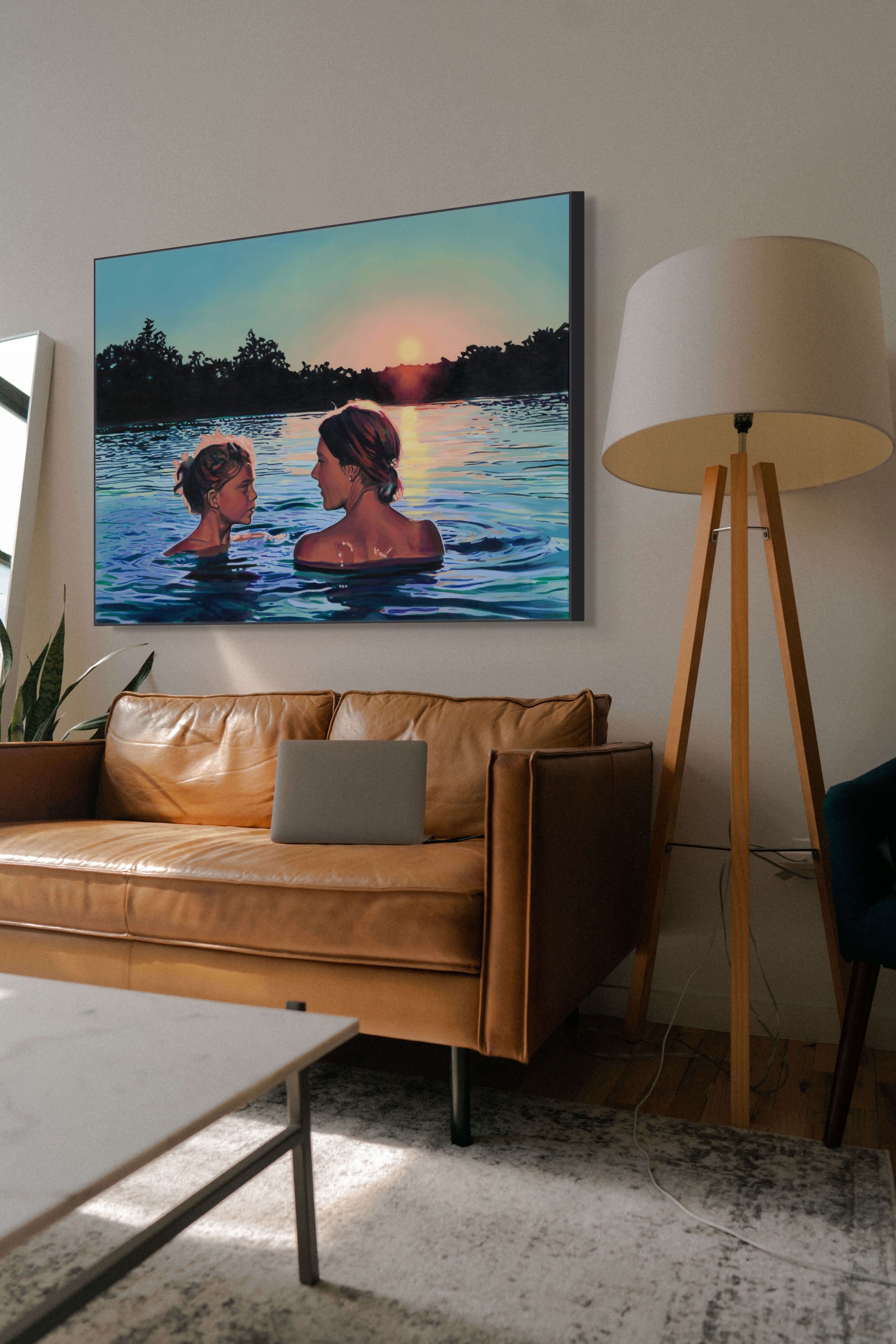
Painting made using Midjourney - Vanessa Corrigall
The Type of Art That Matters More in an AI World
Certain qualities are becoming easier to recognize — and harder to fake.
1. Art With Clear Intentionality
Collectors don’t start by asking how a work was made. They ask why it exists.
Art that matters tends to have:
A clear line of inquiry
A reason for its form
Internal logic that holds together
This doesn’t require complexity. It requires clarity.
Artists who can articulate what they’re exploring — without defensiveness or jargon — build trust more easily. Trust is what leads to long-term collecting.
2. Art That Belongs to a Coherent Practice
AI can generate endless variations. What it cannot produce is a sustained practice over time.
Galleries and collectors look for:
Recurring themes or questions
Visual or conceptual through-lines
Evidence of growth rather than constant reinvention
Consistency does not mean repetition.
It means direction.
A coherent body of work signals seriousness, commitment, and longevity — qualities that matter deeply in a saturated market.
3. Art That Rewards Slowness
In a culture driven by speed, work that asks for time becomes distinctive.
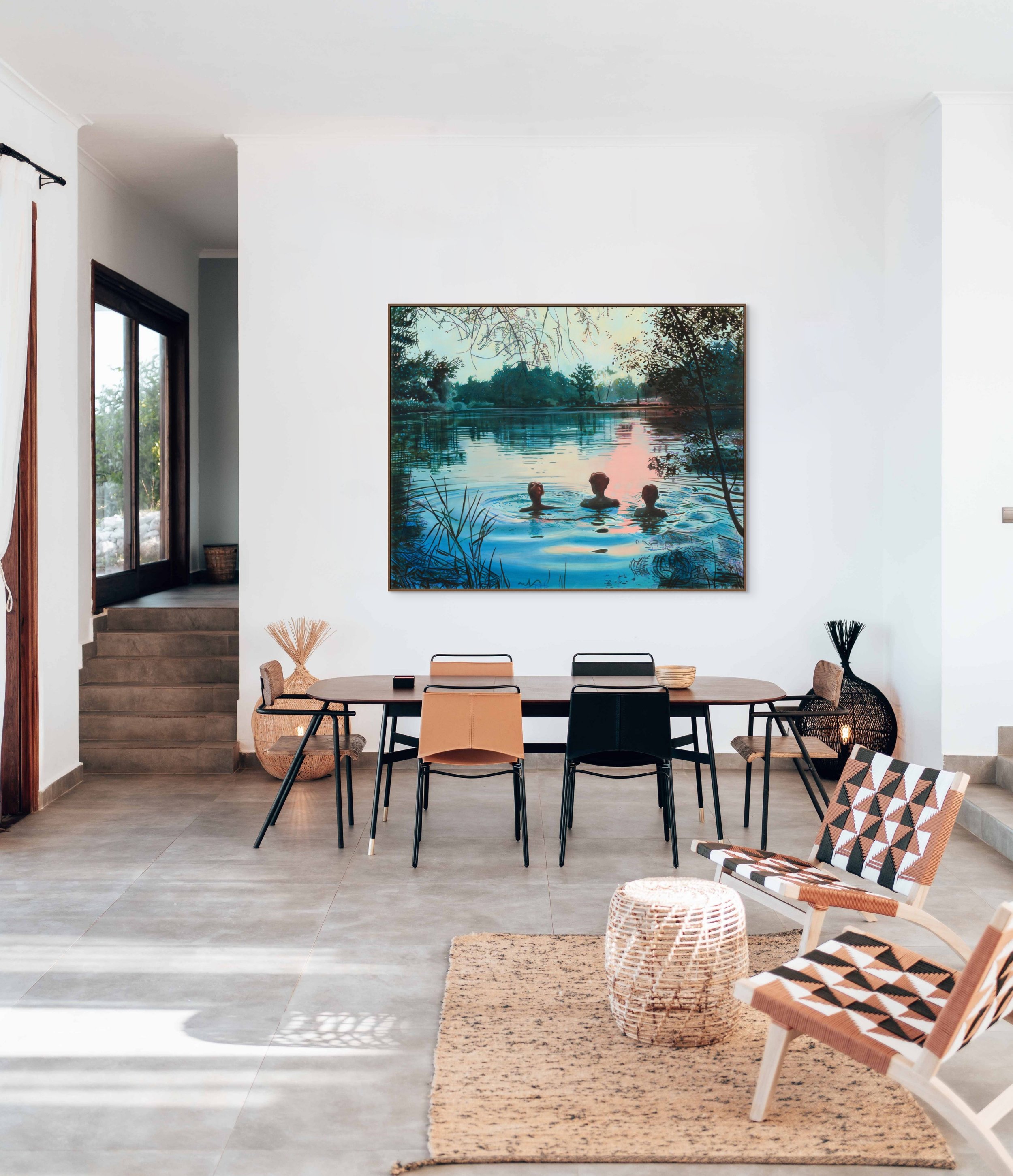
Painting made using Midjourney - Vanessa Corrigall
This might show up as:
Subtlety instead of spectacle
Layers that reveal themselves gradually
Material choices that carry physical or emotional weight
Collectors live with art. They notice what deepens over time and what flattens quickly.
Work that rewards slow looking tends to outlast trends — and remains relevant long after novelty fades.
4. Art Grounded in Lived Experience
AI can recombine styles and references.
It cannot live a life.
Work that resonates often draws from:
Place and environment
Memory and long-term observation
Cultural or personal context
Sustained attention to a subject
This doesn’t mean autobiography. It means specificity.
Specific experience creates texture.
Texture creates credibility.
Credibility builds collector confidence.
5. Art Made With Ethical Awareness
Ethics are no longer separate from artistic evaluation. They are embedded in it.
Artists whose work matters to collectors tend to be:
Transparent about tools and process
Thoughtful about influence and sourcing
Respectful of audiences and peers
Aware of the systems they participate in
Ethical awareness does not require perfection.
It requires care.
Artists who demonstrate care — in how they work and how they speak about their work — are easier to stand behind.
What Matters Less Than Many Artists Think
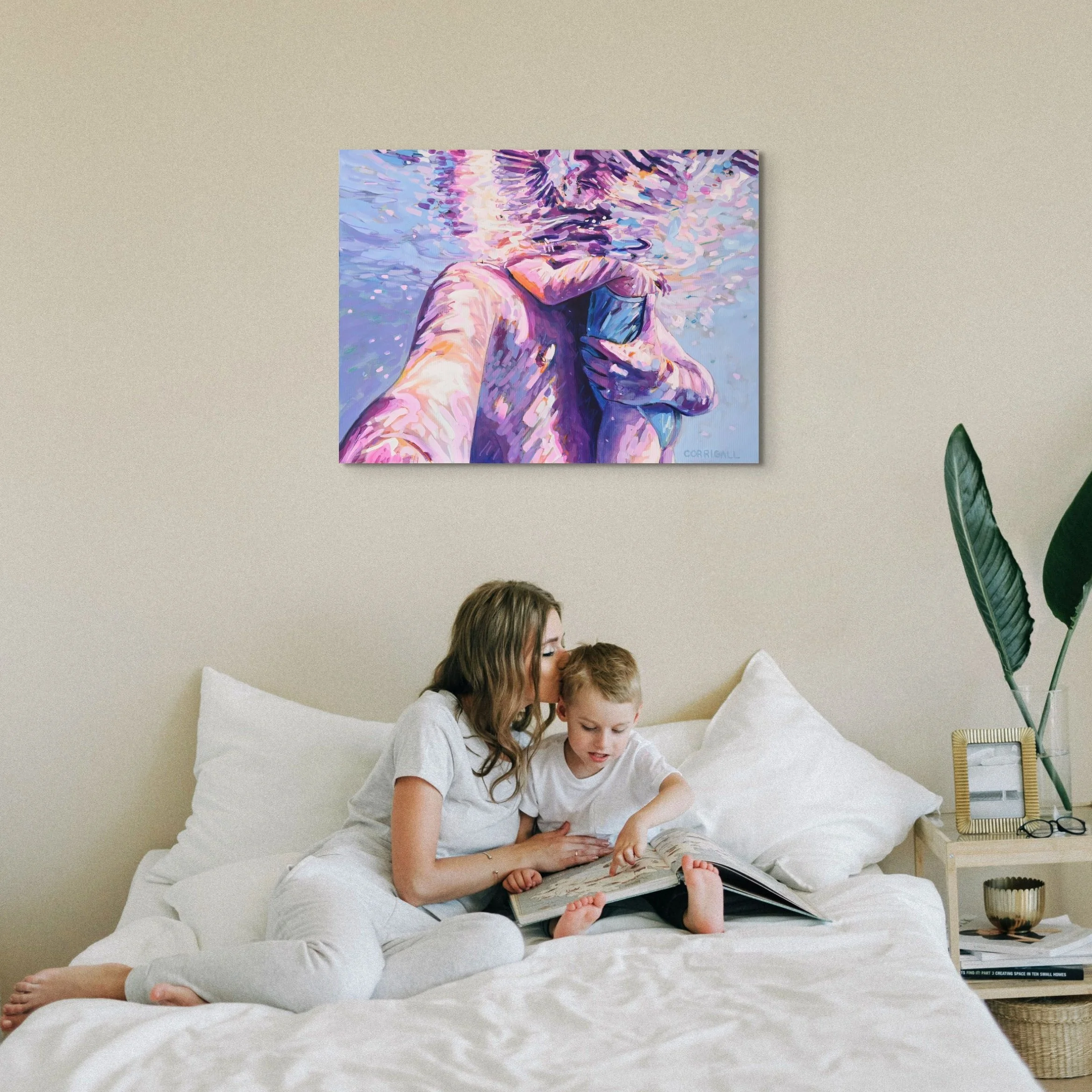
Painting made from paid reference image - Vanessa Corrigall
AI has also revealed a few things that matter less than they once did.
Pure novelty
If something can be generated instantly, its value drops quickly.
Volume
High output does not signal depth. It often signals haste.
Technical polish alone
Technical skill is increasingly accessible. Meaning is not.
Collectors and galleries are less interested in how much an artist can produce — and more interested in why they produce what they do.
The Quiet Advantage Artists Still Control
Technology can feel overwhelming because it appears to dictate the rules.
In reality, artists still control the most important variables:
What questions they pursue
How carefully they work
What they choose to stand behind
Which systems and platforms they engage with
In an AI-saturated landscape, restraint becomes a strength.
Choosing not to make everything possible — and instead making work aligned with your values — creates a recognizable voice.
That voice is what collectors follow.
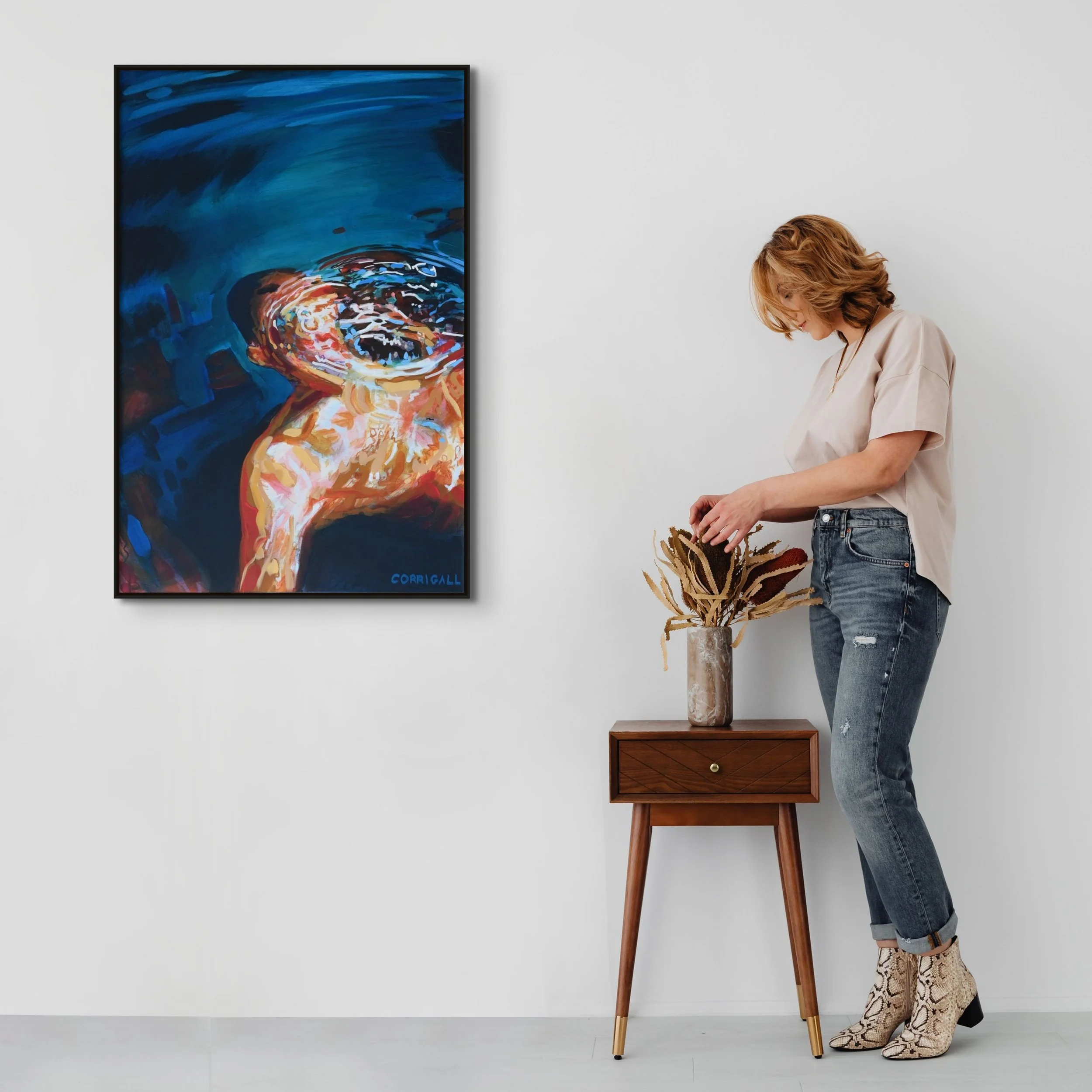
Painting made from paid reference image - Vanessa Corrigall
A Practical Reframe for Artists
Instead of asking:
How do I keep up?
Try asking:
What questions am I genuinely exploring?
What work would I still stand by in ten years?
What kind of collector would live with this work?
These questions lead to art that is easier to explain, easier to place, and easier to sustain.
They also reduce burnout by shifting focus from reaction to intention.
Why Collectors and Galleries Still Show Up
Despite technological shifts, collectors and galleries continue to support artists who demonstrate:
Commitment to a practice
Thoughtful evolution over time
Ethical clarity
Work that rewards attention
AI has not replaced artists who work with care.
It has made them easier to recognize.
Final Thoughts: Make Work That Outlasts the Moment
AI has changed the speed of image-making.
It has not changed the foundations of meaningful art.
Artists who slow down, commit to a coherent practice, and make work grounded in intention are not becoming irrelevant — they are becoming more visible.
Collectors and galleries aren’t looking for artists who can do everything.
They’re looking for artists who know why they do what they do.
Make work that reflects that clarity, and it will continue to matter — regardless of the tools involved.