Could Alberta Teachers Afford a Home in 1906?
A Look at Salary, Land, and Buying Power
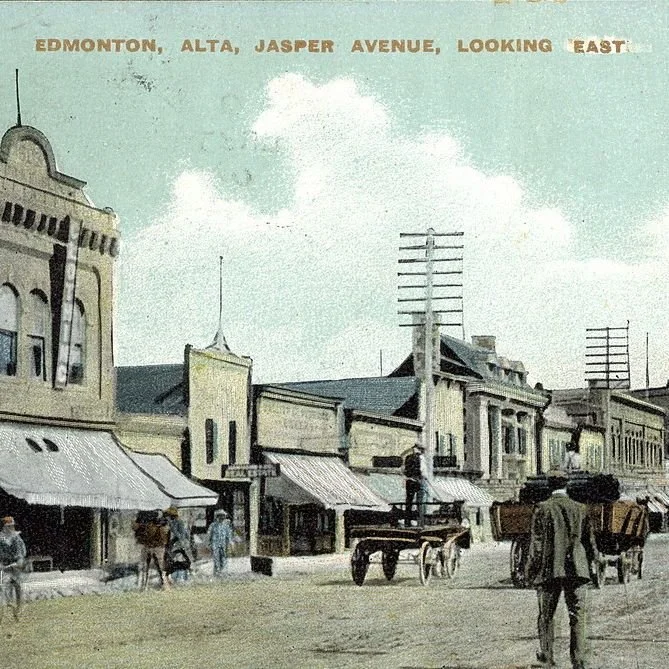
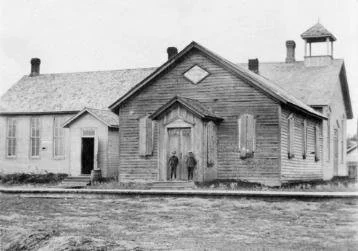
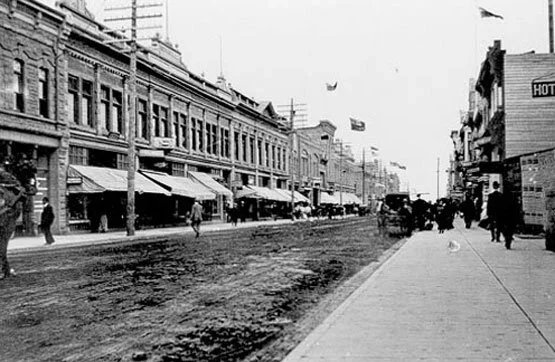
Early schools and communities in Alberta around 1906.
Introduction: A Simple Question with a Complicated Answer
In 1906, the average teacher in Alberta earned $614.13 per year, according to the Annual Report of the Department of Education of the Province of Alberta, 1906.
It’s worth noting that Alberta had only just become a province on September 1, 1905, and this report was the first of its kind produced by Alberta Education.
At first glance, that salary sounds extremely low.
Even with rough inflation estimates, it lands far below modern teacher salaries.
But that number alone doesn’t tell the full story.
👉 What could a teacher afford with that income?
And more importantly:
👉 What kind of life could a teacher realistically build?
Because a low salary doesn’t always mean a low standard of living.
A Personal Note



(Left - Right) Raymond, Ruth, and Garnett
I want to be clear about something before going further.
I truly enjoy my teaching career, and I feel incredibly blessed to do this work.
My husband and I are both teachers in Alberta, and we both work on a reserve south of Edmonton.
Teaching isn’t just a job in our family—it’s part of our history.
Three of my ancestors were also teachers.
From what I know of my family’s story, Indigenous people helped my ancestors survive in the prairies. That part of the history matters to me as I read these early documents.
So this isn’t just academic.
It’s personal.
I’m not comparing the past and present to suggest that one is better than the other.
I’m trying to understand how the profession—and the life around it—has changed.
Teacher Salaries in Alberta (1906)
The 1906 report gives a clear snapshot of the province’s teaching force:
“The total number of teachers employed during the year was 924… The average yearly salary earned was $614.13…”
The report also highlights a challenge that still feels familiar today:
“A change of teachers occurred in 159 cases… nearly 20%… This is undoubtedly one of the most discouraging features…”
This was a developing system — less stable, less standardized, and still growing alongside the province itself.
Even at this early stage, teaching was already a recognized profession, earning more than many general labour jobs at the time.
What Did Land Cost in 1906?
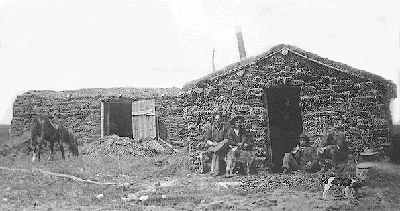
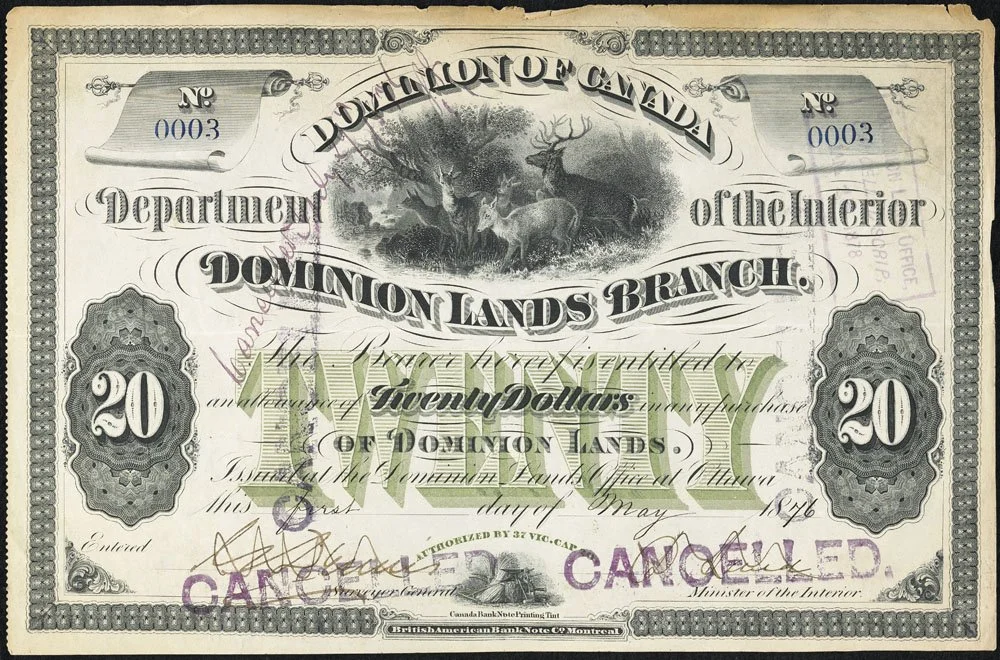
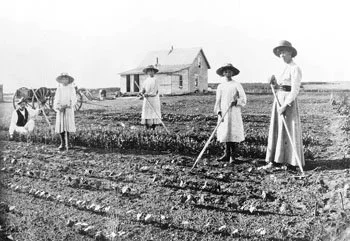
Homesteading and land access shaped early life in Alberta.
This is where the picture shifts.
In early 20th-century Alberta, land access was shaped by federal settlement policy. Under the Dominion Lands system, settlers could claim 160 acres for a $10 filing fee, provided they lived on and improved the land.
For those living in towns and cities like Edmonton or Calgary, the numbers looked different:
Residential lots: $100–$500
Small home construction: $500–$1,500
These figures varied depending on location, materials, and how much labour the owner could contribute.
Was Housing More Affordable in Alberta in 1906?
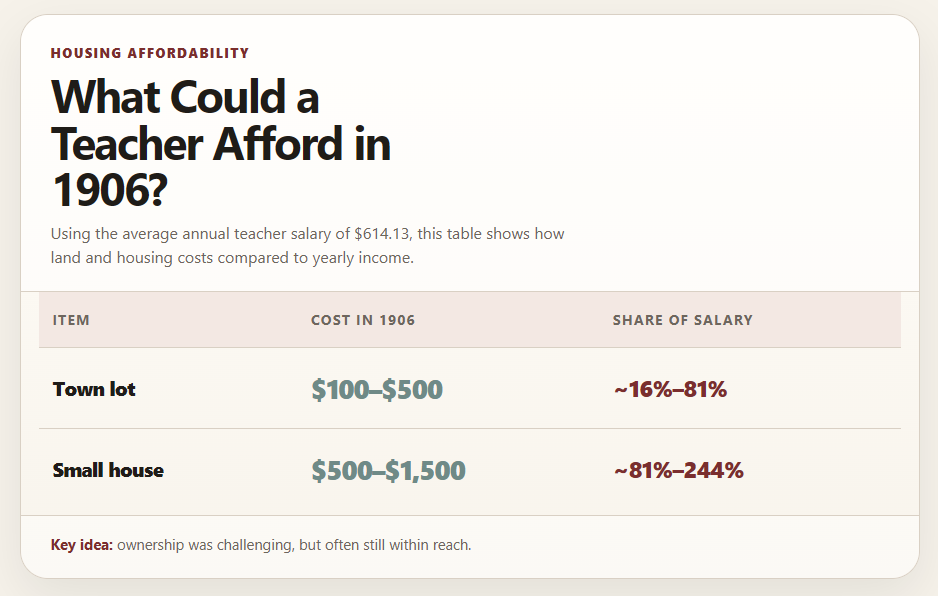
Let’s put that into perspective.
Using the 1906 average teacher salary of $614.13 per year:
A teacher could realistically:
Purchase land within a year, or sometimes less
Work toward building a modest home over a few years
Rely on savings, family help, or community labour
That doesn’t mean it was easy.
But ownership was within reach in a way that feels very different from today.
Teacher Salaries and Housing Today

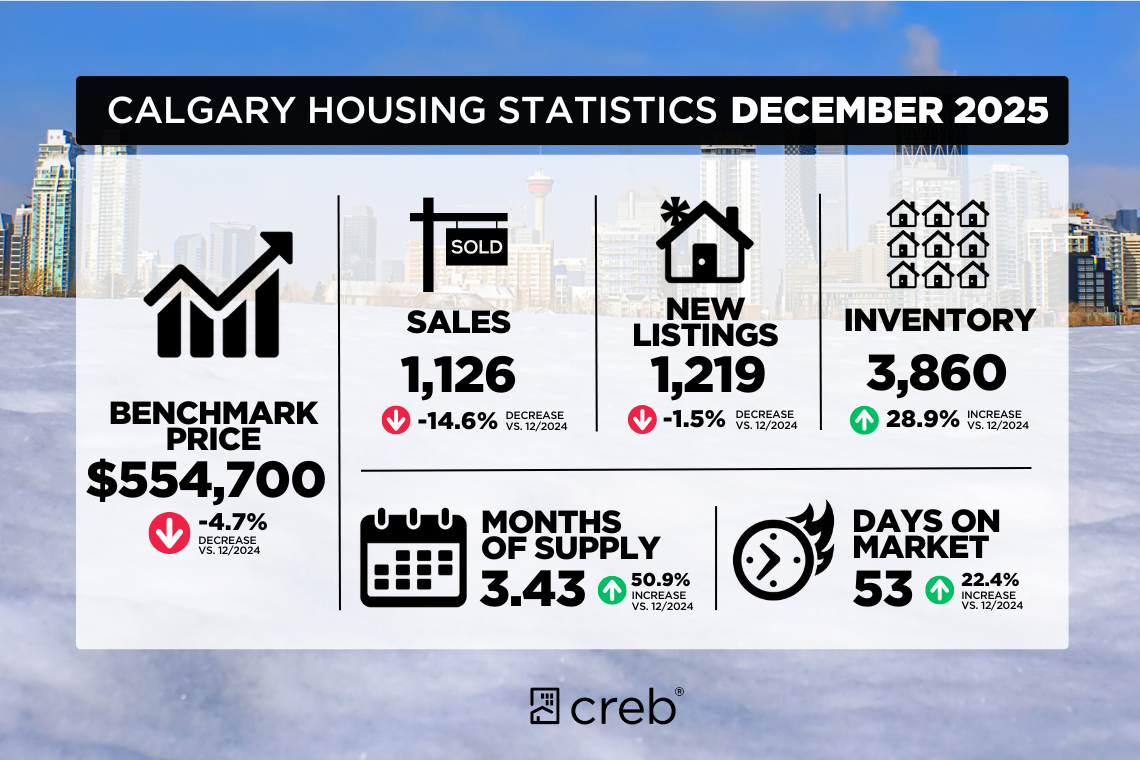
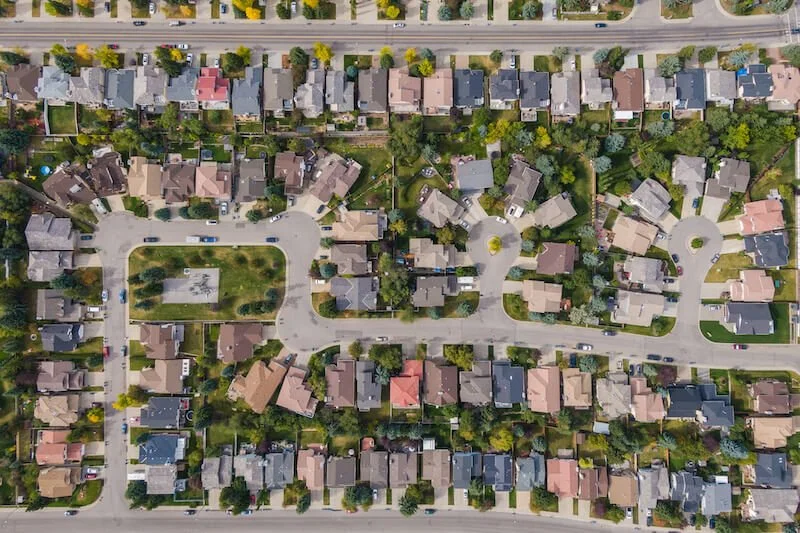

Modern housing in Alberta reflects a very different economic reality.
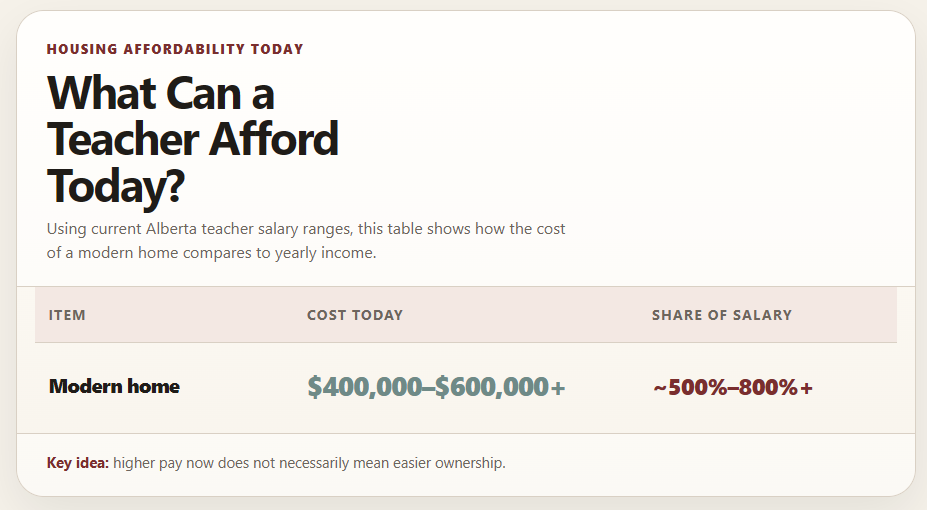
Fast-forward to today.
In Edmonton Public Schools’ 2026 unified salary grid:
Step 0: $68,850 – $76,294
Step 10: $103,413 – $111,390
At the same time, housing prices in Edmonton and Calgary have shifted dramatically:
Average home price: ~$400,000 – $600,000+
Even with significantly higher salaries,
home ownership now usually requires long-term financing and debt.
The Real Difference: Buying Power vs. Salary
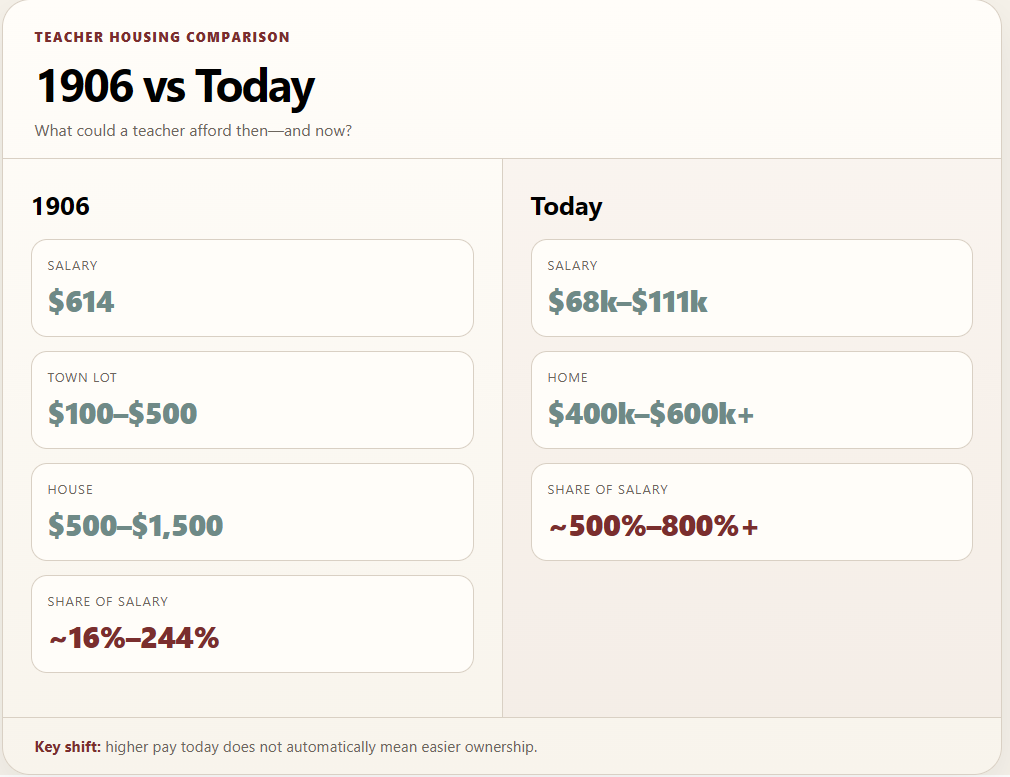
This is where historical comparisons often go wrong.
It’s tempting to say:
“Teachers earn more today.”
And that’s true.
But the more important question is this:
What kind of life can that income actually support?
In 1906:
Salaries were lower, but land was relatively accessible
Fewer people carried long-term debt
Housing expectations were simpler
In 2026:
Salaries are higher, but housing is far more expensive
Land is market-driven
Teachers face more financial obligations
So the real comparison is not just income —
it’s what that income can actually secure.
A Critical Context to Acknowledge
It’s important to pause here.
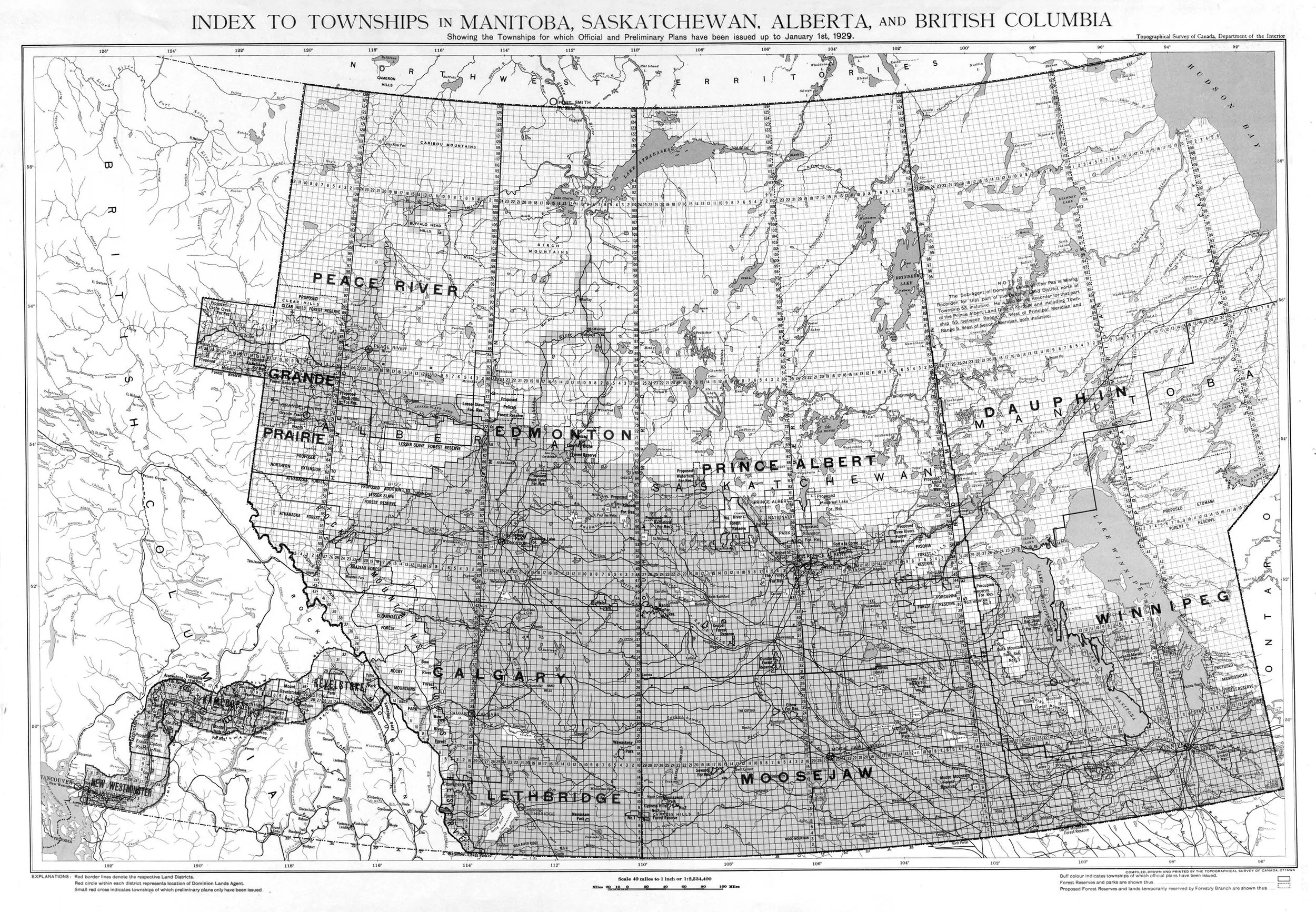
Townships in Manitoba, Saskatchewan, Alberta and British Columbia
Map showing the townships for which official and preliminary plans were issued up to 1 January 1929.
The land systems that made property accessible to settlers in early Alberta were not neutral. Policies like the Dominion Lands Act made land available at low cost to settlers—but that same land was being taken from Indigenous peoples and reorganized under colonial control.
For many settlers, land was:
Affordable
Available
Encouraged through government policy
For Indigenous communities, the experience was very different:
Land was restricted to reserves
Movement was limited
Traditional land relationships and governance systems were disrupted
So when we say land was “affordable” in 1906, we need to be clear:
It was affordable for some, because it was being made inaccessible to others.
Why this matters to me as a teacher
As a teacher working on a Cree reserve south of Edmonton, this isn’t just historical context—it’s part of the present.
The systems created during that time didn’t disappear. They continue to shape:
where communities are located
what land access looks like today
how education systems developed
When I read early Alberta education reports, I’m not just seeing the beginning of a provincial school system. I’m also seeing:
whose voices were included
whose knowledge systems were excluded
and how those decisions still affect classrooms today
Holding both realities together
So when comparing teacher salaries, land prices, and affordability, there are two realities at the same time:
Land was relatively accessible for settlers working within that system
That access depended on a system that excluded Indigenous peoples from land ownership and control
Both of these are true.
And both need to be held alongside the numbers.
What This Means for Education Today
Looking back at 1906, one thing becomes clear:
We didn’t just change teacher salaries.
We changed what those salaries can actually buy.
More accurately:
Over time, our systems reshaped what a “good life” is built on.
Policy shifted how land is accessed
Markets changed how housing is valued
Education systems redefined teaching as a profession
And interestingly, some challenges remain familiar:
Teacher turnover
System instability
Ongoing pressure within the profession
Over a century later, the structure has evolved — but not every tension has disappeared.
Conclusion: A Better Question to Ask
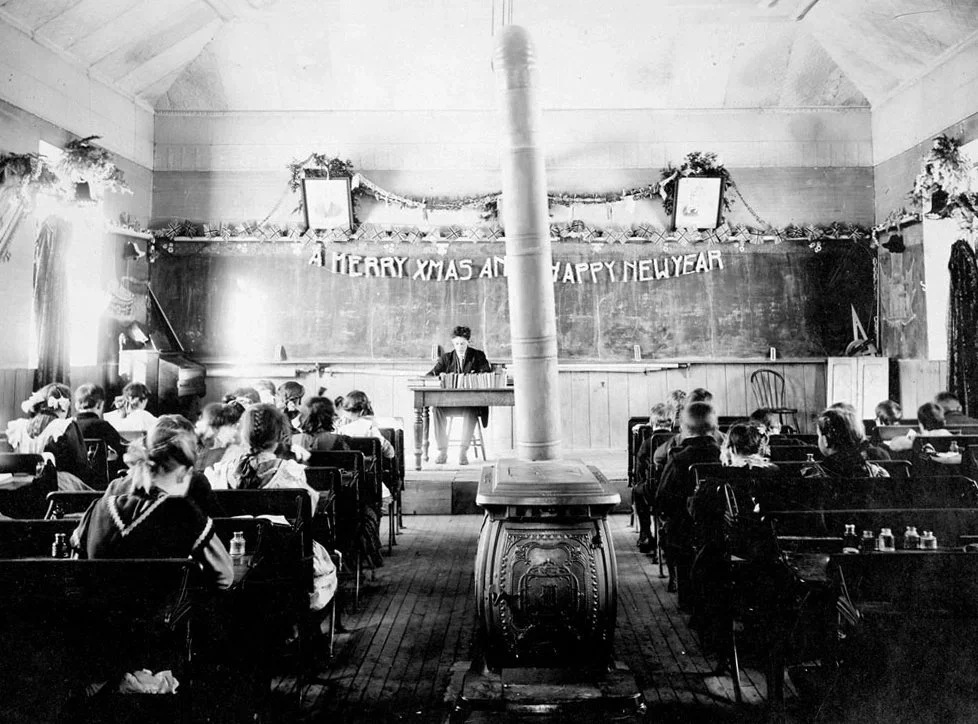
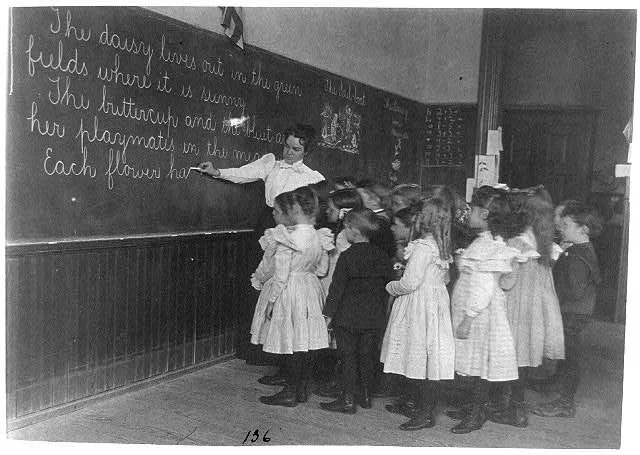
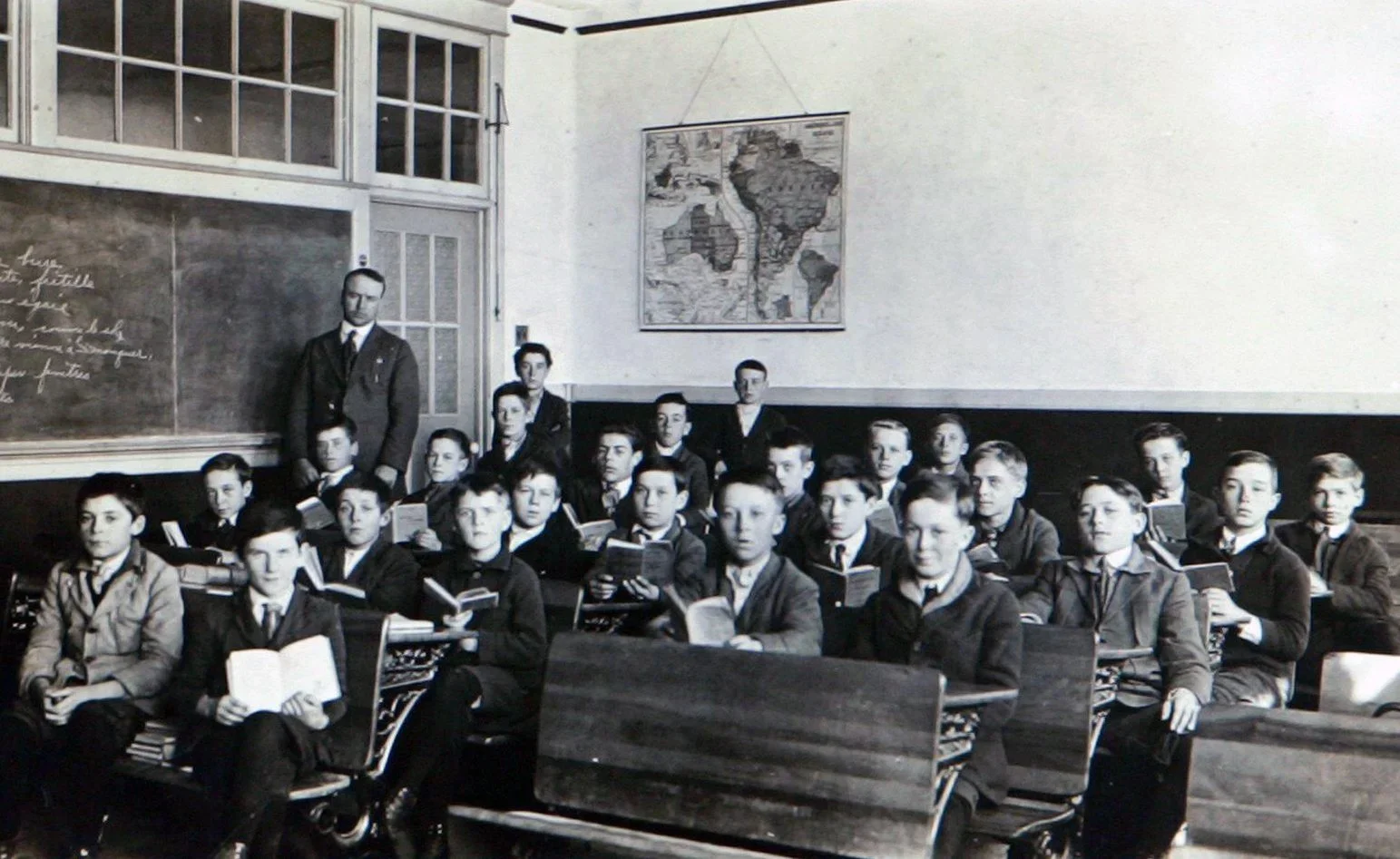
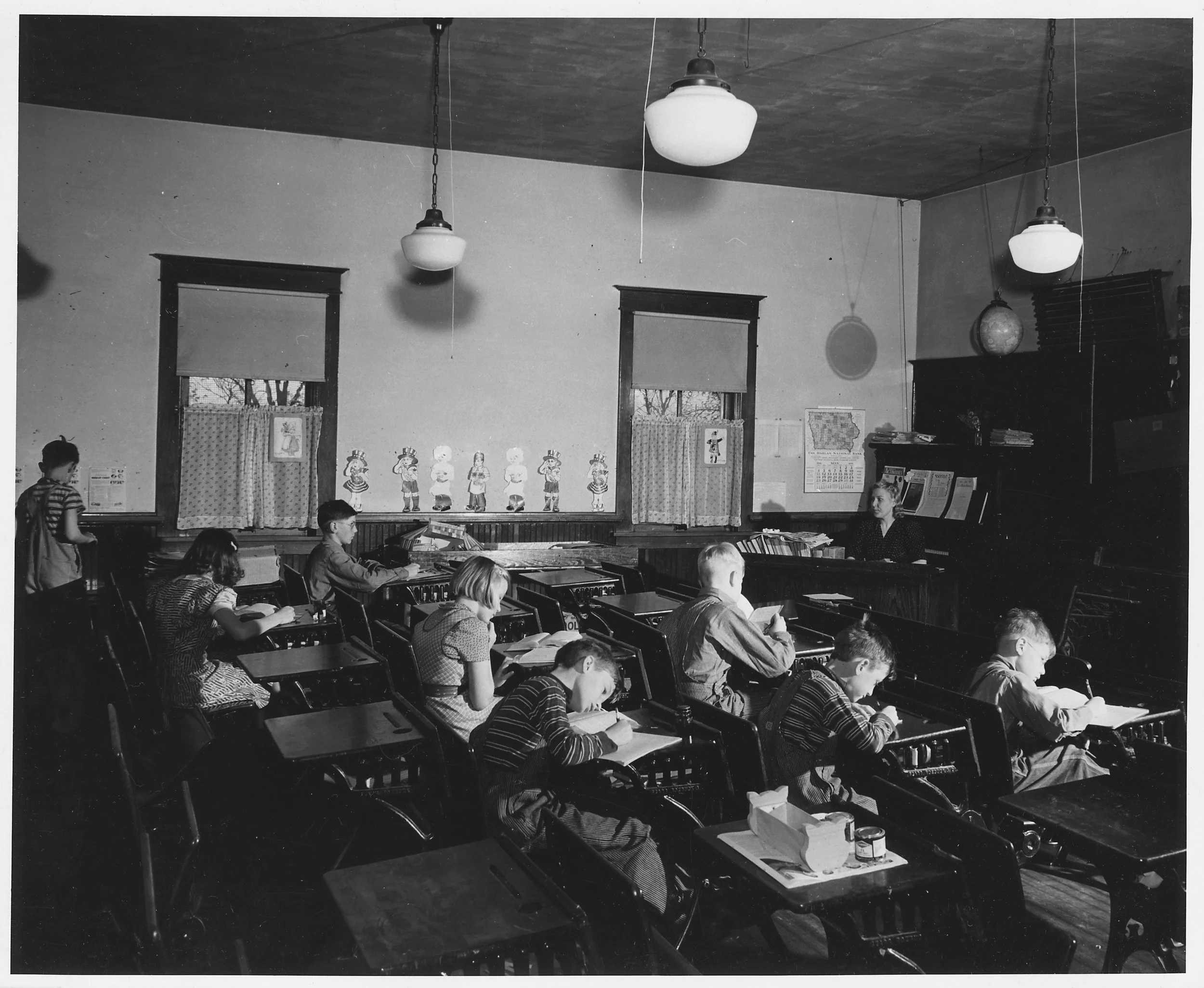
The classroom has changed—but some challenges remain.
Instead of asking:
“Are teachers paid more today?”
A better question might be:
What kind of life can a teacher realistically build now — compared to the past?
Because the answer isn’t just about income.
It’s about what that income can actually make possible —
in housing, stability, and long-term security.